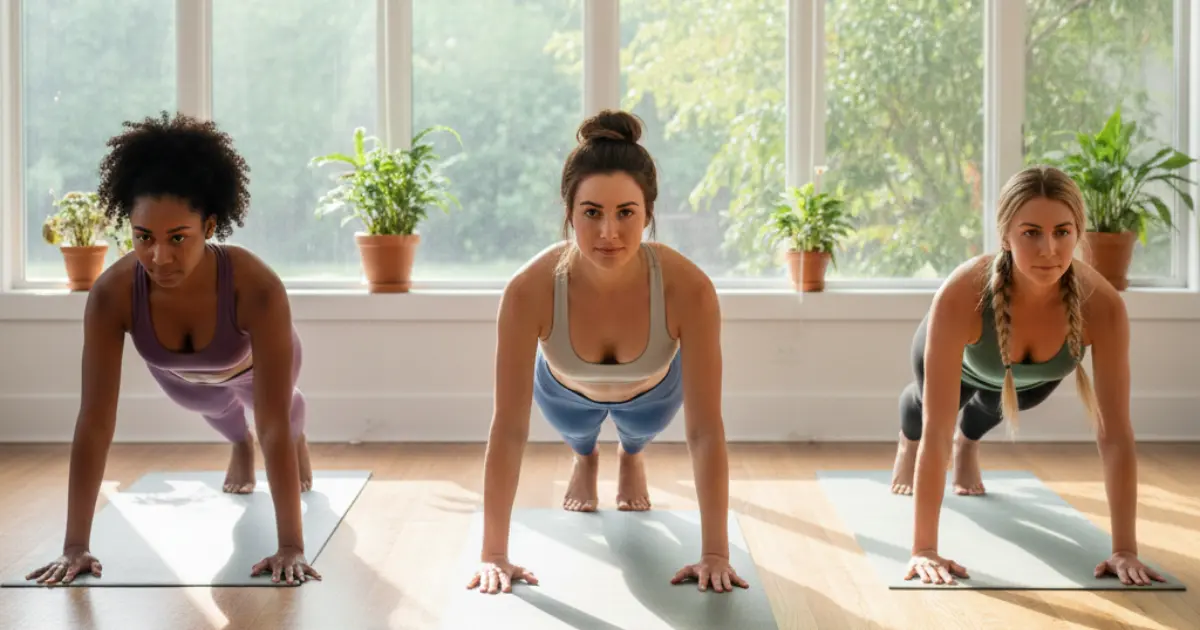
Chaturanga Dandasana: The Four-Limbed Staff Pose – A Deep Dive into Yoga’s Foundation of Strength
Chaturanga Dandasana, often referred to as the Four-Limbed Staff Pose or simply “Chaturanga,” is an essential asana in many yoga styles, particularly Vinyasa and Ashtanga. While seemingly simple, this pose is a powerful tool for building strength, fostering body awareness, and cultivating a profound mind-body connection. However, it’s also notorious for being one of the most commonly misaligned postures.
In this comprehensive guide, we will explore Chaturanga Dandasana in detail, covering its benefits, proper alignment, common mistakes, modifications, variations, and how to integrate it safely and effectively into your yoga practice.
Understanding Chaturanga Dandasana
Chaturanga Dandasana is a dynamic pose that requires engagement of the entire body. In Sanskrit, “chatur” means four, “anga” means limb, and “danda” means staff. The pose resembles a low plank or push-up position, with the body held parallel to the ground, supported by the toes and palms, elbows bent at a 90-degree angle along the sides of the body.
This pose serves as a transition between many asanas, especially in sun salutations and Vinyasa flows. It’s a challenging posture that demands strength, flexibility, and body awareness.
Benefits of Chaturanga Dandasana
Practicing Chaturanga Dandasana correctly offers a wide range of benefits for both body and mind:
Physical Benefits:
Chaturanga Dandasana isn’t just a transitional pose – it’s a powerhouse for building strength and enhancing body awareness. Here’s how this posture works its magic throughout your body:
- Full-Body Strengthener: Chaturanga is essentially a moving plank, engaging nearly every muscle group from head to toe. Your arms, shoulders, and chest work hard to support your body weight, while your core and back muscles fire up to maintain a straight line. Your legs and glutes provide stability and power. With consistent practice, Chaturanga can significantly improve your overall strength and endurance.
- Muscle Sculptor: Beyond building strength, Chaturanga helps sculpt and tone your muscles. Your arms, shoulders, and chest will become more defined, while your core and back muscles will strengthen, leading to better posture and a flatter abdomen. Your legs and glutes will also benefit from the isometric hold, becoming stronger and more toned.
- Arm Balance Prep: If arm balances like Crow Pose or Side Plank are on your yoga bucket list, Chaturanga is your stepping stone. The pose strengthens the exact muscles needed for these challenging arm balances, building the foundation for stability and control.
- Core Powerhouse: Chaturanga demands serious core engagement. To maintain proper alignment, your abdominal muscles, back muscles, and even your pelvic floor need to fire up and work together. This not only improves core stability but also translates to better posture, balance, and reduced risk of back pain.
- Body Awareness Enhancer: Chaturanga is a complex pose that requires precise alignment and coordination of multiple muscle groups. As you practice, you’ll develop greater kinesthetic awareness – a deeper understanding of how your body moves and functions. This heightened body awareness can benefit your overall movement patterns and enhance your performance in other physical activities.
Mental and Energetic Benefits:
While Chaturanga Dandasana is renowned for its physical benefits, its impact extends far beyond the body, reaching deep into the realms of the mind and energy. This challenging pose serves as a catalyst for mental strength, focus, and a renewed sense of vitality.
Conquering Chaturanga: A Confidence Booster
Chaturanga is not an easy pose. It demands strength, focus, and determination. By mastering this challenging asana, you’ll not only build physical strength but also cultivate mental resilience and self-confidence. Every successful Chaturanga reinforces your belief in your abilities, both on and off the mat. This newfound confidence can empower you to tackle other challenges in life with greater ease and self-assurance.
Sharpen Your Focus
Chaturanga requires laser-like focus and concentration. To hold the pose correctly, you must engage multiple muscle groups simultaneously and maintain precise alignment. This intense focus translates into other areas of your life, enhancing your ability to concentrate on tasks, goals, and aspirations.
Build Mental Strength and Resilience
Overcoming physical challenges in yoga can cultivate mental strength and resilience. As you push through the discomfort of Chaturanga and hold the pose with unwavering determination, you’ll develop the mental fortitude to face life’s obstacles with grace and composure. This increased resilience can help you navigate stressful situations, overcome setbacks, and persevere in the face of adversity.
Ignite Your Energy
Chaturanga is an energizing pose that can awaken your inner fire and revitalize your entire being. As you engage your muscles and breathe deeply, you’ll feel a surge of energy flowing through your body. This can leave you feeling refreshed, invigorated, and ready to take on the day.
Mastering Chaturanga Dandasana: Proper Alignment
Achieving proper alignment in Chaturanga is crucial to avoid injury and reap the pose’s full benefits. Here’s a step-by-step guide:
- Start in Plank Pose: Begin on your hands and knees, wrists directly under shoulders, fingers spread wide. Extend your legs back, coming into a high plank position, body in a straight line from head to heels.
- Engage Your Core: Activate your core muscles by drawing your navel in and up towards your spine. This will help maintain a stable plank position and protect your lower back.
- Lower Down with Control: On an exhalation, bend your elbows straight back, hugging them close to your body. Lower yourself down until your shoulders are level with your elbows, keeping your body in a straight line like a plank of wood.
- Gaze Forward: Keep your gaze slightly forward, about six inches in front of your hands, to maintain a neutral neck position.
- Hold and Breathe: Hold the pose for a few breaths, maintaining core engagement and shoulder stability. Avoid letting your hips sag or your shoulders dip below your elbows.
- Push Back Up (Optional): If you’re building strength, you can inhale and press back up to plank pose. Otherwise, lower your knees to the ground and rest in Child’s Pose.
Common Mistakes and How to Avoid Them
Many practitioners make errors in Chaturanga that can lead to discomfort or injury. Here are some common mistakes to watch out for:
- Elbows flaring out: Keep your elbows hugging in towards your body.
- Shoulders dipping below elbows: Maintain a 90-degree angle at the elbows.
- Hips sagging or piking: Keep your core engaged and body in a straight line.
- Holding your breath: Continue to breathe smoothly and evenly throughout the pose.
- Going too low too quickly: Lower down with control and stop when your shoulders are level with your elbows.
Modifications for Beginners
Chaturanga Dandasana is a challenging pose that requires significant upper body and core strength. If you’re new to yoga or building strength, it’s crucial to modify the pose to avoid strain and build a solid foundation gradually. Here are some modifications that can make Chaturanga accessible and less intimidating:
Lowering Your Knees: This is the most common and effective modification for beginners. Start in a high plank position, then gently lower your knees to the floor. From here, engage your core and slowly lower your chest towards the floor, keeping your elbows close to your body. This modification reduces the load on your arms and shoulders while still working the core and building strength.
Using a Block: Place a yoga block under your sternum for a supported Chaturanga. As you lower down, the block will prevent you from going too deep and will provide additional support to your chest and core. This modification is excellent for building confidence and gradually increasing your range of motion.
Forearm Plank: Forearm Plank is a static pose that helps build core and shoulder strength necessary for Chaturanga. Practice holding Forearm Plank for increasing durations, focusing on maintaining a straight line from head to heels and engaging your core muscles. This will prepare your body for the full Chaturanga and help prevent injuries.
Additional Tips:
- Don’t be afraid to modify: Remember, it’s perfectly fine to modify Chaturanga – in fact, it’s encouraged for beginners!
- Focus on form: Prioritize proper alignment over depth. Keep your elbows close to your body, shoulders in line with your elbows, and core engaged.
- Listen to your body: If you feel any pain, come out of the pose.
- Be patient: Building strength takes time and consistent practice. Gradually increase the intensity of your modifications as you feel stronger.
Advanced Variations
Once you’ve built a solid foundation in Chaturanga Dandasana and can confidently hold the pose with proper alignment, you might be ready to explore some challenging variations that will elevate your practice and further test your strength, balance, and coordination.
- Chaturanga Push-Ups: This dynamic variation involves flowing between Chaturanga and Plank Pose. From Chaturanga, inhale and powerfully press back up to Plank, straightening your arms while maintaining a strong core and straight body line. Repeat several times, using your breath to guide the movement. Chaturanga push-ups are a fantastic way to build endurance and explosiveness in your upper body and core.
- One-Legged Chaturanga: This variation requires exceptional core strength and stability. From Chaturanga Dandasana, inhale and lift one leg off the ground, keeping it extended and in line with your torso. Hold the pose for a few breaths, then switch legs. One-legged Chaturanga challenges your balance and forces deeper engagement of your core muscles to maintain stability.
- Eka Pada Koundinyasana I (Hurdler’s Pose): This advanced arm balance requires both strength and flexibility. From Chaturanga, bend one leg and bring your knee towards the outside of your elbow, resting it on the upper arm. Keep your core engaged and your body in a straight line as you balance on your hands and one foot. This pose deeply stretches your hamstrings and hip flexors while demanding significant upper body and core strength.
These are just a few examples of the many advanced Chaturanga variations you can explore. As you progress, you can try combinations of these variations, such as one-legged Chaturanga push-ups or transitions between Chaturanga and other arm balances. Remember to always listen to your body, progress gradually, and seek guidance from a qualified yoga teacher if needed.
These challenging variations not only build physical strength but also cultivate mental focus, determination, and confidence. Embracing these advanced postures allows you to deepen your yoga practice and explore the full potential of your body and mind.
Add Chaturanga to Your Yoga
Adding Chaturanga Dandasana to your yoga takes time. Focusing on good form and listening to your body, it’s important to do it slowly. This helps you stay safe and strong.
Start with Chaturanga in Sun Salutations. Also, use it in Vinyasa flows. These yoga routines already have Chaturanga. It’s a natural fit.
As you get stronger, do more Chaturangas. Don’t rush. Make sure your body is in the right shape each time. If anything hurts, stop. Change the pose or take a break. Doing it right is more important than doing many.
Listen to your body. If you feel tired or strained, change the pose. You can put your knees down. You can use a block. Rest according to your need, do not forced yourself too hard.
If you have wrist, shoulder, or back problems, consult with a doctor first, or ask a yoga teacher. They guide you learn how to do Chaturanga safely.
Be patient, mindful and respect your body while doing Chaturanga Dandasana. This way, you can add this strong pose to your yoga safely. It will help you get stronger and, make you more stable.
Conclusion
Chaturanga Dandasana is a challenging yet rewarding yoga pose that offers a myriad of benefits for both body and mind. By understanding proper alignment, practicing modifications, and gradually progressing, you can safely and effectively integrate this foundational posture into your yoga practice, reaping its many rewards on your journey to strength, balance, and overall well-being.