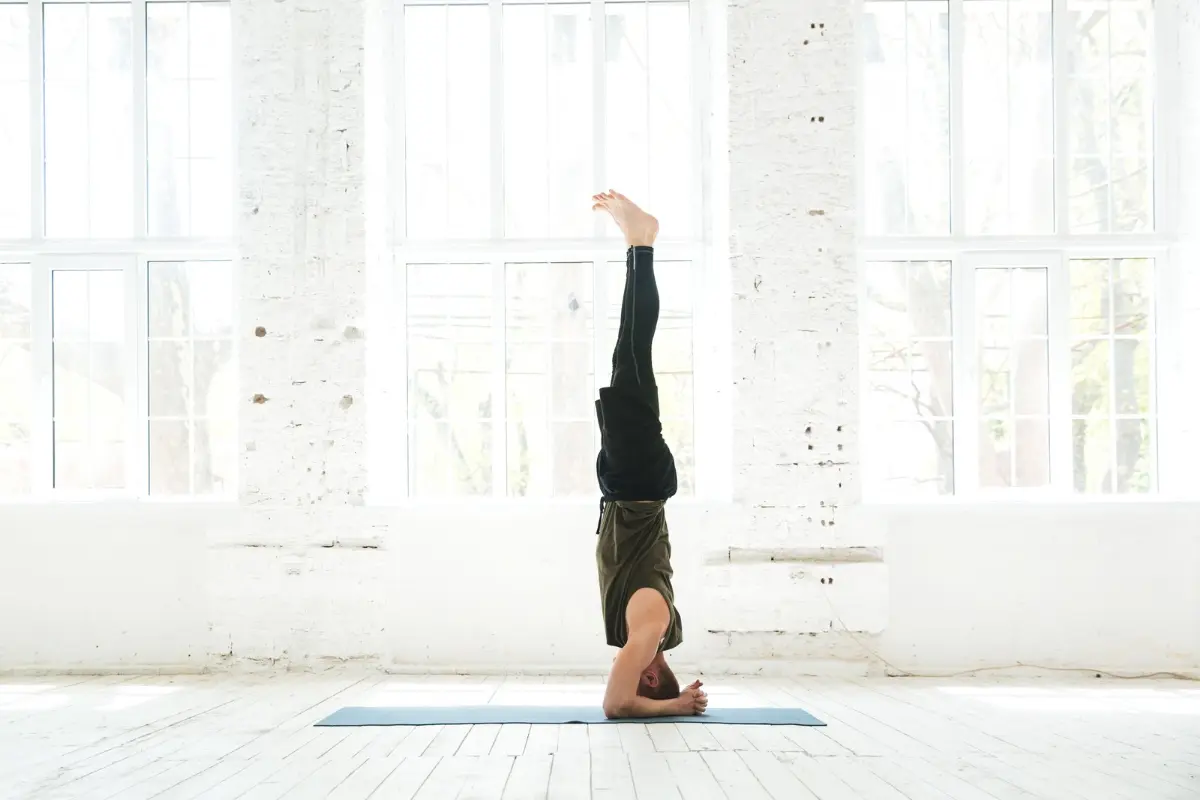
It looks powerful and it looks hard, which is why many feel drawn to Shirshasana yet feel afraid to try it. Balancing on the head can feel like a big leap of faith at first. Known as the King of Asanas, this pose holds deep respect in yoga. It turns the body upside down and gently guides the mind inward, teaching control, focus, and calm at the same time.
The benefits of Shirshasana
The benefits of Shirshasana are wide and meaningful. Physically, it improves blood flow, balance, and core strength. Mentally, it sharpens focus and builds quiet confidence. Spiritually, it invites stillness and inner awareness. This is why yogis have practiced it for centuries.
Yet this pose is never about force. It is about patience and smart preparation. A step-by-step approach keeps the neck safe and the mind relaxed, especially for beginners. In this guide, you will learn everything you need, from preparation and warm-up to clear steps and safety tips. You will also discover common mistakes, benefits, and gentle ways to progress. Take your time. This journey matters more than the final pose.
Important Considerations Before You Begin: Safety First!
Before you begin Shirshasana, safety must always come first. This pose places pressure on the neck and head, so it is not suitable for everyone. People with high blood pressure, heart conditions, neck injuries, or cervical spondylosis should avoid it. Those with eye problems like glaucoma, ear infections, or anyone recovering from recent surgery should also stay away. Shirshasana is not advised during pregnancy. Many teachers also suggest avoiding it during menstruation, especially for beginners. If you experience severe headaches or migraines, it is best not to practice this pose. When unsure, always seek medical or professional advice.
The timing of your practice is very important. Shirshasana should always be done on an empty stomach. Wait at least three to four hours after a meal. Early morning is the best time, when the body feels light and the mind is clear. Evening practice can also work, but avoid doing the pose just before bedtime. Your body should feel rested and calm, not heavy or tired.
Your practice space should support safety and focus. Use a non-slip yoga mat on a flat surface. Make sure the area is clear and spacious, with no furniture nearby. Beginners should practice near a wall for support and confidence. A folded blanket or towel can be placed under the head for comfort and light cushioning.
Learning from a qualified yoga teacher is strongly recommended. An experienced instructor can guide alignment and prevent injury. This guide offers helpful knowledge, but it cannot replace in-person training. Finally, keep a patient mindset. Shirshasana is a journey, not a race. Listen to your body, move slowly, and allow progress to happen with time.
Common Mistakes and How to Avoid Them
One of the most common mistakes in Shirshasana is placing too much weight on the head and neck. This can strain the cervical spine and increase the risk of injury. The head should feel light, with most of the body weight supported by the forearms and shoulders. Actively pressing the forearms into the mat helps protect the neck and creates a strong foundation.
Another frequent error is sinking into the shoulders. When the shoulders collapse, pressure shifts toward the neck. To avoid this, keep the shoulders active and lifted, as if pushing the mat away. Lifting through the chest and upper back creates space in the neck and improves stability.
Flaring the elbows outward can also make the pose unstable. When elbows move wider than shoulder-width, the base becomes weak and balance is lost. Keeping the elbows aligned under the shoulders helps maintain strength and control throughout the pose.
Kicking up into Shirshasana is risky and should be avoided. Sudden movement can cause loss of balance and strain the neck. Instead of kicking, lift the legs slowly with control. Using core strength and patience makes the pose safer and more stable.
Holding the breath is another common mistake. Breath-holding increases tension and reduces balance. Smooth, steady breathing keeps the body relaxed and the mind focused. Ujjayi breath can be helpful here.
Many practitioners also rush the process. Shirshasana takes time to master. Progress should be gradual and consistent. Finally, ignoring contraindications is the most dangerous mistake of all. Always listen to your body and respect medical advice. Safety must come before ambition.
Advanced Tips and Variations (for Future Progression)
Once Shirshasana feels steady and comfortable, you may explore gentle variations. Hand placement can be refined over time. Some practitioners experiment with lighter finger support or open palms to increase balance awareness. These variations should only be tried when the forearms and shoulders are strong and stable.
Leg variations add both challenge and control. You may cross the legs into Eagle legs to improve focus. Lotus legs can be explored only by experienced practitioners with open hips and knees. A wide-legged split changes the center of gravity and deepens core awareness. All leg movements should remain slow and controlled.
Deeper core engagement brings more stability. Drawing the navel gently inward helps keep the body aligned and light. As strength improves, Shirshasana can prepare you for Pincha Mayurasana, or Forearm Stand, which uses similar shoulder and core strength without head support.
When balance, strength, and confidence are consistent, you may slowly practice away from the wall. Move with patience and awareness.
Conclusion
Shirshasana offers deep benefits for the body, mind, and inner energy. With regular practice, it builds strength, improves focus, supports balance, and calms the nervous system. It also encourages confidence and inner awareness.
This pose may look difficult, but it is achievable. With patience, steady practice, and proper guidance, the body learns to trust and support itself. Progress comes step by step, not all at once.
Remember, Shirshasana is not about reaching a perfect shape. It is about listening to your body and growing with awareness. Respect the journey. Yoga transforms you from the inside out.