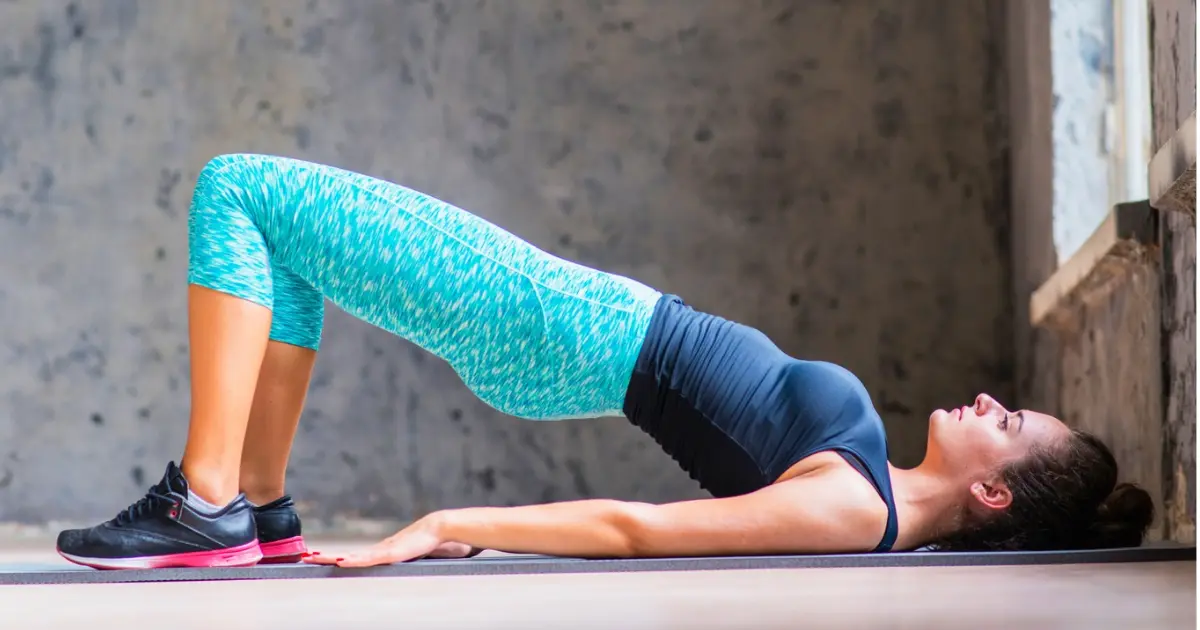
Feeling tired, stressed, or dealing with back pain? Is your energy low? Many of us face these issues daily. But these all have a simple answer: Setu Bandhasana, which is also known as Bridge Pose. It’s an easy yoga pose that almost anyone can do.
This gentle pose can help you feel fresh, strong, and calm. It’s like a mini-vacation for your body and mind. You can do this effective pose without any experience, is that great!
In this article, we’ll explore everything about Setu Bandhasana. We’ll show you how to do it correctly, explain all the amazing benefits it brings to our body, and share tips to make it even better. To challenge yourself or need some modification, we’ll also look at different ways to do the pose.
This guide is for everyone! Whether you’re new to yoga or have been practising for a while, Setu Bandhasana can help you feel better, both physically and mentally. Get ready to unlock the power of this wonderful pose and bring more energy and peace into your life.
What is Setu Bandhasana? Understanding the Bridge Pose
Setu Bandhasana is a yoga pose. In English, it is called the Bridge Pose. The name comes from Sanskrit. “Setu” means bridge, “Bandha” means lock or bind, and “Asana” means pose. When you do this pose, your body looks like a small bridge. That’s why it is called the Bridge Pose.
This pose is part of ancient Indian yoga. Yoga is a very old practice. It began in India thousands of years ago. People used yoga to make their bodies and minds strong and peaceful.
In yoga, poses like Setu Bandhasana are called asanas. Each asana has a purpose. Some help you relax. Some make your body stronger. Others help you feel more balanced and calm.
Setu Bandhasana helps in many ways. It opens your chest, strengthens your back and legs, and calms your mind. It is also good for people who sit a lot during the day.
Doing this pose often can help you feel fresher and healthier. It is simple and safe for most people. That is why many yoga teachers use it in their classes.
Step-by-Step Guide: How to Do Bridge Pose
Setu Bandhasana, also known as the Bridge Pose, is a very beneficial yoga pose. It strengthens your back and legs. It also helps to open your chest. Don’t have enough knowledge? Follow these simple steps on how to do it.
Get Ready
Before you begin, keep a few things in mind.
Empty Stomach is Best: Try this pose while your stomach is empty. This entails waiting approximately 4 to 6 hours after a large meal. If you only had a light snack, wait around an hour.
Use a Yoga Mat: Always use a yoga mat for better practice. It gives you a soft surface and stops you from slipping.
Warm-Up (Optional): It’s a good idea to warm up your body first before yoga. Do some gentle stretches, which make your muscles ready and help prevent injuries. Even a few simple stretches for your back and legs can help.
How to Do Bridge Pose
Follow these steps carefully to do the Bridge Pose.
Lie on Your Back: Start by lying flat on your back. This is called the supine position. Your whole body should be relaxed on the mat.
Bend Your Knees: Now, bend your knees. Place your feet flat on the floor. The distance between your feet should be roughly hip-width. Try to bring your heels close to your bottom (glutes). Make sure your toes point straight ahead.
Arms Beside You: Lay your arms straight beside your body. Your palms should face down towards the floor. Keep your fingers relaxed.
Lift Your Hips: Take a deep breath in. As you breathe out, gently push through your feet. Start to lift your hips off the floor. Lift them slowly. You should feel your bottom muscles (glutes) and the back of your thighs (hamstrings) working. Keep lifting until your body forms a straight line from your shoulders to your knees.
Engage Your Core and Chest: As you lift, think about your core muscles. Pull your belly button gently towards your spine. This helps protect your back. Also, try to bring your chin closer to your chest. This helps stretch your neck. You can also move your shoulders slightly under your body. This helps to open your chest even further.
Hold the Pose: Once you are in the pose, hold it. Take a few slow, deep breaths. Focus on your breath. Feel the stretch in your chest and the strength in your legs. Try to keep your thighs parallel, don’t let your knees spread wide.
Release the Pose: To come out of the pose, breathe out slowly. Gently lower your back down to the floor. Do it one part at a time. First, your upper back, then your middle back, and finally your lower back and hips. Go very slowly, vertebra by vertebra. Once your hips are down, you can hug your knees to your chest for a gentle counter-stretch.
Incredible Benefits of Practising Setu Bandhasana
The Bridge practice, also called Setu Bandhasana, is an excellent yoga practice. It appears easy; however, it provides several great benefits. These benefits assist both your body and your mind. Let’s look at why Bridge Pose is so excellent for you.
Amazing Physical Benefits
The Bridge Pose works many parts of your body. It helps you become stronger and more flexible.
Stronger Muscles: This stance is ideal for increasing strength. It increases the strength of your back muscles significantly. These are the muscles that help support your spine. It also exercises your glutes, which are the bottom muscles. Strong glutes assist with walking and standing. It also strengthens your hamstrings, which are the muscles on the back of your thighs. Strong hamstrings are essential for leg mobility.
Stretches Your Body: While it strengthens, it also stretches. It beautifully stretches your chest, opening up the front of your body. It stretches your neck, which can feel tight from daily activities. Your spine gets a gentle stretch, helping it become more flexible. It also stretches your hip flexors. These muscles get tight from sitting a lot. Stretching them helps improve your posture.
Better Spine and Posture: The Bridge Pose increases spinal flexibility through stretching and strengthening. A flexible spine indicates a healthy spine and improves your posture. If you slouch, this stance will gently lift your shoulders back and open your chest. This results in a taller, more upright posture.
Tones Abs and Helps Digestion: Lifting your hips gives your abdominal muscles a mild workout, which tones them and aids digestion. This helps tone your stomach. A strong core helps to support your spine. This position improves digestion. Gentle pressure on your tummy stimulates your internal organs, allowing food to pass more efficiently through your system.
Improved Blood Flow: Holding the Bridge Pose improves circulation. This means that blood circulates more freely throughout your body. Remember, good circulation is essential for getting oxygen and nutrients to all of your cells.
Good for Breathing: The Bridge Pose opens up your chest, which allows your lungs to expand more fully. This is very beneficial for people who have asthma. When your lungs can take in more air, breathing becomes easier and deeper. This can help ease breathing difficulties.
Wonderful Mental and Emotional Benefits
The benefits of Bridge Pose go beyond just the physical. It also helps your mind and feelings.
Calms Your Mind: This pose has a very calming effect on the brain. When you hold the pose and focus on your breath, it helps quiet your thoughts. This magically reduces anxiety and stress. It can also help with symptoms of mild depression. It gives your mind a break from worries.
Fights Fatigue and Headaches: If you feel tired, do the Bridge Pose. It relieves fatigue and it energises your body by improving circulation and opening your chest. It works to relieve headaches. The gentle stretch in the neck and head area, along with the calming effect, eases head tension.
Helps Your Thyroid: The Bridge Pose gently stimulates the thyroid gland. This gland is located in your neck. The thyroid gland plays a very important role in metabolism. Metabolism is how your body turns food into energy. A healthy thyroid helps keep your body’s systems working well. Stimulating it can help ensure it functions optimally.
Relaxation and Better Sleep: Practising this pose promotes a deep sense of relaxation. If you have difficulty sleeping, do this pose. When your body and mind are relaxed, it’s simpler to fall and remain asleep. Regular practice leads to significantly improved sleep quality.
Specific Times to Use This Pose
The Bridge Pose is especially helpful for certain situations.
For People Who Sit a Lot: Many people spend hours sitting, whether at a desk or in a car. Sitting for long periods leads to a very bad posture. It tightens the front of your body and weakens your back over time. The Bridge Pose is great for counteracting this slouched posture. It opens the chest, strengthens the back, and stretches the hip flexors. It also reverses the negative effects of too much sitting.
Relieves Discomfort: This pose can be very soothing for menstrual discomfort. The gentle stretch and calming effect ease cramps and tension. Women going through menopause will benefit from this pose. It helps with some of the symptoms by promoting relaxation and balancing energy.
So, the Bridge Pose is a simple yet powerful yoga pose. It strengthens your body, makes you more flexible, calms your mind, and helps with various physical and emotional issues. Adding Setu Bandhasana to the routine brings many positive changes.
Variations and Modifications for Every Level
Setu Bandhasana, also known as Bridge Pose, is a wonderful yoga pose. You do not need to be a yoga expert to try it. There are so many ways to do this pose. You may customise it according to your body and ability level. If you are new to yoga, you can start with easier steps. On the other hand, if you have done yoga for a while, you should try harder versions. Now let’s look at different ways to do the Bridge Pose.
Beginner Changes
If you are new to yoga, that is perfectly fine. Begin with simple steps. These tips will help you feel safe and strong in the pose.
Use a Yoga Block: You can place a yoga block under your sacrum. This is the flat bone at the bottom of your spine. The block will give your back good support. It helps your body relax in the pose. You can stay in this supported pose for a few breaths. It takes less effort.
Keep Arms Relaxed: You do not need to link your fingers together under your back. Just keep your arms flat next to your body and let your palms face down. This helps your shoulders and arms stay relaxed.
Don’t Lift Too High: When you just start, lift your hips a little bit. Don’t push yourself to go too high. After your body gets stronger over time, then, you can slowly lift higher.
Breathe Gently: Always try to focus on taking slow and deep breaths. Breathing helps your body open up and your mind stay calm and peaceful.
Warm Up Before: Before you try the pose, do some gentle stretches. Stretch your back, your hips, and your thighs. A short warm-up helps stop injuries.
These small changes will help you feel more sure of yourself. As you practice, you will feel ready to try more.
Intermediate Variations
If you have done Bridge Pose a few times, you can try these steps. They will make the pose more active and build more strength.
Interlace Fingers Under Your Back: After you lift your hips, bring your hands together under your back. Link your fingers tightly. Press your arms down into the mat. This helps to lift your chest higher. It also opens your shoulders more.
Lift One Leg at a Time: When you feel steady in the pose, try lifting one leg. Lift it towards the sky. Keep your other foot flat on the ground. Hold this for a few breaths. Then, switch legs. This helps make your core muscles strong. It also improves your balance.
Hold for Longer: As you get stronger, you can stay in the pose for more time. Try holding it for 10 to 15 seconds first. Then, slowly increase to 30 seconds or even longer.
Add Gentle Movement: You can slowly move your hips up and down a little. This makes the pose more active. It also helps you control your body better.
Intermediate steps make the pose stronger. Always listen to your body. Do not rush any movements.
Advanced Variations
If you have been doing yoga for a long time, you might want to try harder options. These are strong movements. Only try them when you feel completely ready.
Come Onto Your Toes: Instead of keeping your whole foot flat, lift up onto your toes. This will lift your hips even higher. It also makes your calf muscles and thighs stronger.
Bring your Hands to Your Lower Back: Some people like to put their hands under their lower back. They use their hands to support themselves instead of the floor. This gives a deeper stretch in the front of your body. It also helps with balance.
One-Legged Bridge Pose: Lift one leg high up towards the ceiling. Keep the other leg strong and steady on the ground. Try to stay balanced while you hold the pose. This works your whole body very hard.
Tips for a Safe and Effective Bridge Pose
Doing the Bridge Pose (Setu Bandhasana) safely is more important. Here we discuss some easy tips to support and get the most out of it:
Breathing: Always breathe slowly and deeply to feel calm and steady. Breathe in as you lift your hips, and breathe out as you lower them.
Alignment: Make sure your knees stay over your ankles. Your feet should be hip-width apart. Gently tuck your chin towards your chest to keep your neck safe. Evenly spread your body weight.
Listen to Your Body: If something hurts or feels uncomfortable while doing this pose, stop or ease out. Never push yourself while hurting. A mild stretch is fine, but pain is a red signal to stop immediately.
Consistency is the key: Try to practice more often. Even just 10 minutes every day can lead to good results over time.
Props Help: To give your lower back support, you can use a yoga block. Use a blanket under your shoulders to protect your neck. These tools make the pose easier and safer, especially when you’re new to it.
Follow these tips for a safer and more helpful practice. Go slow, be aware of your body, and enjoy the stretch.
When to Avoid Setu Bandhasana (Contraindications)
If you have certain health issues, you should be careful with Bridge Pose (Setu Bandhasana). It’s always best to talk to a doctor first or a yoga teacher. This is very important if you have any health problems.
Do not do this pose if you have:
Bad neck or back pain: If your neck or back is badly hurt, avoid this pose. It might make it worse.
Had surgery recently: If you just had surgery on your belly area, do not do this pose. First, give your body time to heal, then do it.
Very bad headaches (migraines): Sometimes, this pose can make migraines feel worse for some people.
Are pregnant: Pregnant women need to change how to do this pose, or not do it at all. Always ask your doctor or a experienced yoga master, then do it according to their advice.
Integrating Setu Bandhasana into Your Routine
Using Bridge Pose in Your Day
The Bridge Pose, or Setu Bandhasana, is a great yoga pose. You can add it to your day in different ways.
When to Do It
You might wonder when to do the Bridge Pose. Here are some ideas:
At the end of your yoga: Many people do the Bridge Pose near the end of a yoga practice. It helps you relax and calm down.
To get ready for other poses, the Bridge Pose can also be a warm-up. It gently opens your back. This can help you get ready for yoga poses that bend your back more deeply.
On its own: You can do the Bridge Pose by itself. If your back feels a little stiff, a quick Bridge Pose can offer fast relief.
How Often and For How Long
Conclusion
The Bridge Pose is good for you. It makes your back and legs strong. It also opens your chest. This helps you breathe better. It can also make you feel calmer and less stressed.
Anyone can try the Bridge Pose. You don’t need special skills. Just follow the steps. Doing this pose can make your body and mind feel much better. It’s a simple way to help yourself.
So, please try Setu Bandhasana. See how it makes you feel. You might be surprised by how much it helps. It’s a great way to start or end your day.
Yoga connects your body and your mind. When you do poses like the Bridge, you feel this connection. It’s more than just exercise. It helps your whole self. Give it a try for your wellness journey!