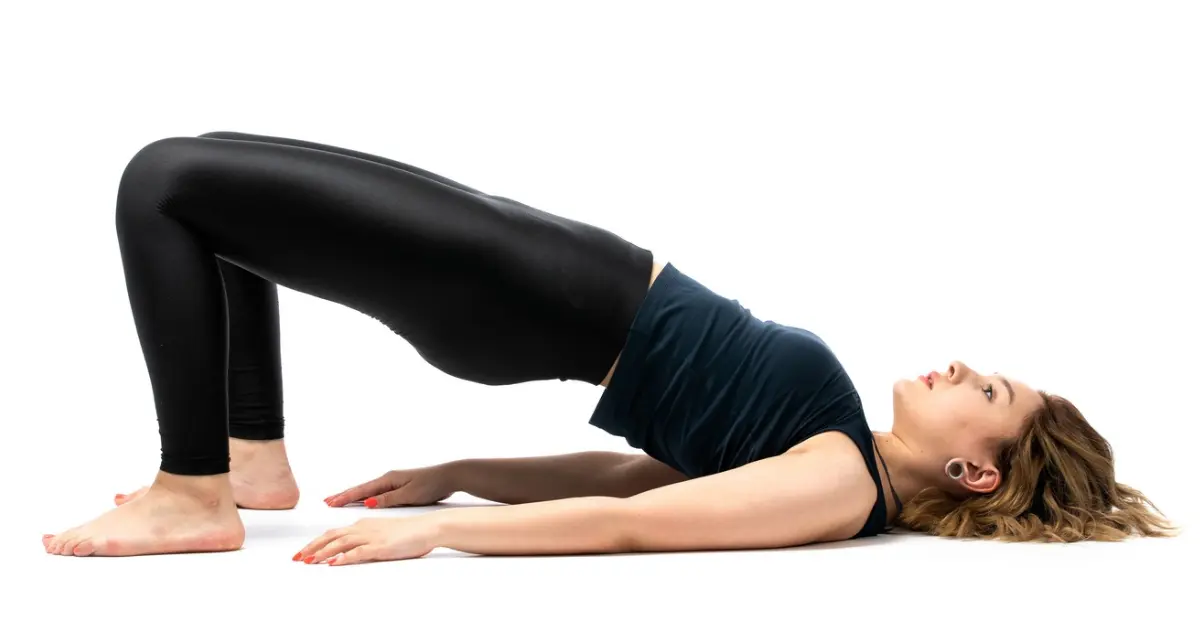
Yoga helps the body and mind feel strong and calm. Some poses look simple but offer many benefits. Ardha Setu Bandhasana is one of them. Ardha Setu Bandhasana is also called Half Bridge Pose. This gentle backbend helps open the chest, strengthen the lower body, and support relaxation. It is beginner-friendly and fits into many yoga routines.
In this article, you will learn all about Ardha Setu Bandhasana. We will talk about how to do the pose step by step. You will also learn about its many benefits for your body and mind. We will share helpful tips, pose variations, and explain how to avoid common mistakes. Lastly, we’ll explain how to use this pose in a full yoga routine.
Let’s explore why this pose is so loved and also how it can help you feel better every day.
Understanding Ardha Setu Bandhasana
Ardha Setu Bandhasana comes from the Sanskrit language. Let’s break down the name:
“Ardha” means half.
“Setu” means bridge.
“Bandha” means lock or bind.
“Asana” means pose or posture.
So, Ardha Setu Bandhasana means “Half Bridge Pose with a lock.” It is a simpler form of the full Setu Bandhasana (Bridge Pose). In the full version, the chest lifts higher, and more strength is needed. The “half” version is easier and better for beginners or people with less flexibility.
This pose is a backbend. It gently lifts the chest and hips. It also works as a mild inversion. Inversions help improve blood flow and calm the mind. Since you lie on your back, it is also called a supine pose.
Ardha Setu Bandhasana is commonly practiced in modern ‘Hatha Yoga‘ and appears in many contemporary yoga classes. Traditional yoga texts, such as ‘Hatha Yoga Pradipika‘, discuss posture, breath, and energy, while this pose is mainly taught through modern yoga practice.
Philosophically, this pose is about grounding and opening. Your feet stay firm on the ground, while your heart lifts up. This balance between strong roots and an open chest brings peace and focus.
Ardha Setu Bandhasana is more than just a stretch. It connects body, breath, and mind. It helps you feel strong, calm, and steady—both inside and out.
The Multifaceted Benefits of Ardha Setu Bandhasana
Ardha Setu Bandhasana (Half Bridge Pose) may look simple, but it offers many powerful benefits. This gentle backbend helps your body, breath, and mind feel better in many ways.
Physical Benefits
Ardha Setu Bandhasana supports many parts of the body at the same time. Even though the movement looks simple, several muscles work together during the pose. With regular practice, this gentle backbend may help improve movement, posture, and overall body awareness.
- Spinal Health: This pose strengthens the back muscles. It helps improve the spine’s flexibility. If you sit for long hours, this pose may help ease feelings of stiffness and support healthy spinal movement.
- Core Engagement: When you lift your hips, your tummy muscles work. It also helps activate the pelvic floor. This builds strength in your core and supports good posture.
- Hip Flexor Release: Many people have tight hip flexors from sitting too much. This pose gently stretches them and brings relief.
- Shoulder and Neck Opening: As your chest lifts, your shoulders roll back. This helps ease tension in the upper back and neck.
- Leg and Glute Strength: The pose tones your hamstrings, glutes, and thighs. These muscles support your hips and knees in daily movement.
- Improved Circulation: This is a mild inversion. Your heart is below your hips. This may help support healthy circulation and the upper body.
- Digestive Aid: The gentle squeeze in the belly area helps massage the digestive organs. It may support digestive comfort for some people.
Physiological Benefits
Beyond muscles and flexibility, Ardha Setu Bandhasana may also support how the body feels internally. Gentle chest opening and mindful breathing can encourage relaxation and help create a greater sense of ease. Many people practice this pose because of how calm and refreshed they feel afterward.
- Respiratory System: The chest opens wide in this pose. This allows more air to enter your lungs. Opening the chest may help some people feel more comfortable taking deeper breaths.
- Nervous System: This pose calms the mind. It helps reduce stress and anxiety. Slow breathing and supported movement may encourage relaxation and support the body’s natural rest response.
- Endocrine System: When your chin tucks slightly, it gently presses the throat area. Some yoga traditions associate throat-opening positions with energy and balance, but more research is needed.
Mental and Emotional Benefits
Yoga is not only about movement. Ardha Setu Bandhasana also creates space to slow down and reconnect with yourself. The combination of steady breathing and gentle lifting may help support a calmer and more balanced state of mind.
- Stress Reduction and Anxiety Relief: This pose is grounding. Your back, feet, and arms stay close to the earth. This brings a feeling of safety and calm.
- Mood Elevation: Lifting the chest opens the heart. This can help you feel lighter and more joyful.
- Increased Body Awareness: The pose helps you notice how your body feels. You become more aware of your posture and movements.
- Focus and Concentration: To hold the pose correctly, you must stay mindful. This builds focus and sharpens your attention.
Ardha Setu Bandhasana is a true all-rounder. It supports the body, calms the mind, and lifts the spirit. Whether you’re new to yoga or very experienced, this pose can help you feel balanced and strong in many ways.
Step-by-Step Guide to Practicing Ardha Setu Bandhasana
Ardha Setu Bandhasana is beginner-friendly, but good alignment makes the pose feel safer and more comfortable. Move slowly and let your breath guide each stage. Focus on quality of movement instead of lifting higher.
Preparation
A good setup creates a safer and more stable pose. Take a moment to position your body before lifting. Starting with proper alignment makes the movement feel smoother and more comfortable.
Lie on your back on a yoga mat.
Bend your knees. Place your feet hip-width apart.
Keep your heels close to your sit bones.
Place your arms beside your body, palms facing down.
Keep the back of your neck long and natural. Avoid pressing your chin too strongly into the chest.
Entering the Pose
Now begin moving into the pose with control and awareness. Avoid rushing the lift. Let the hips rise gradually while keeping the breath soft and steady.
Inhale slowly. Press your feet and arms into the mat.
Lift your hips gently off the floor.
Use your glutes and hamstrings to support the lift.
If you feel ready, lift your spine one part at a time—from tailbone to upper back.
If that feels hard, lift the hips all at once with control.
Holding the Pose
Once you reach the position, focus on stability instead of height. Stay relaxed through the face and neck while keeping gentle engagement through the legs and core. Slow breathing helps you enjoy the pose more comfortably.
Keep your knees pointing forward and parallel.
You can place a block between your thighs to help.
Roll your shoulders under your back to open the chest.
Let your chest rise towards the chin.
Keep your eyes looking towards your chest or nose.
Breathe deeply. Let the breath be soft and even.
If comfortable, clasp your hands under your back to open the shoulders more.
Exiting the Pose
Coming out of the pose is just as important as entering it. Lower slowly and stay connected to your breath. Controlled movement helps your body return comfortably to neutral.
Exhale slowly. Gently bring your spine back to the mat—one part at a time.
Lower your hips last. Let them rest fully on the floor.
Take a short rest in Savasana (Corpse Pose) or bring your knees to your chest for a gentle hug.
Key Alignment Cues
Small alignment details can make a big difference in how this pose feels. Good positioning helps improve comfort and reduces unnecessary strain. Use these reminders while practicing.
Feet parallel and hip-width apart
Knees stacked above ankles
Glutes active but not tight
Chest lifts toward the chin
Neck long and free of pressure
Shoulders rolled under (optional)
Breathe smoothly and relaxed
Practice slowly. Stay mindful. Let your body guide you.
Variations and Modifications of Ardha Setu Bandhasana
Ardha Setu Bandhasana can be changed to suit your needs. Whether you are a beginner or advanced, there are many ways to adjust this pose. These changes help make the pose safer, easier, or more challenging.
For Beginners or People Who Need Support:
Every body feels different, and yoga should adapt to your needs. These gentle modifications make Ardha Setu Bandhasana more accessible and comfortable while still offering many benefits.
Use a Block – Place a yoga block under your lower back (sacrum). This supports your body and helps you rest. It becomes a calming, restorative pose.
Arms by Your Sides – Keep your arms flat on the floor with palms facing down. This helps with balance and control.
Lift Less – You don’t need to lift very high. A small lift is enough to get the benefits without strain.
For More Challenge and Strength:
Once the basic pose feels stable, you can explore small progressions. These options increase strength, control, and body awareness while keeping the foundation of the pose.
Clasp Your Hands – After lifting your hips, bring your hands together under your back. Interlace your fingers and press your arms and shoulders into the mat. This opens your chest more and makes the pose stronger.
Lift One Leg – Try lifting one leg while keeping the other foot on the ground. This is called Ek Pada Setu Bandhasana. It builds core strength and balance.
Progressive Variation – As strength and flexibility improve, explore deeper bridge variations under guidance for a stronger backbend and greater chest opening.
Use a Strap – Wrap a yoga strap around your thighs, just above the knees. This keeps your knees from spreading out and helps with alignment.
Helpful Props:
Yoga props are not shortcuts—they are useful tools that support better practice. They can improve comfort, alignment, and confidence in the pose. Use them whenever your body needs extra support.
Blocks – For support under the hips or hands.
Blankets – Place a folded blanket under your shoulders or neck for comfort.
Straps – To keep the legs aligned or help you hold your feet if needed.
These variations make Ardha Setu Bandhasana safe and useful for everyone. You can adjust the pose based on your body and how you feel each day.
Common Mistakes and How to Avoid Them
Many people make small mistakes in Ardha Setu Bandhasana. These can lead to discomfort or injury. Here are the most common ones:
Knees flaring out – Keep your knees hip-width apart. Place a block between your thighs if needed.
Lower back over-arching – Do not push too high. Keep your spine long and lift with control.
Neck strain – Do not turn your head. Keep your neck relaxed and look straight up.
Lazy glutes and hamstrings – Use your leg muscles to lift, not just your lower back.
Holding your breath – Breathe slowly and deeply. Never hold your breath in a pose.
How to fix these:
Use a yoga block or cushion under your hips.
Place a folded blanket under your shoulders to support your neck.
Practice near a wall to check alignment.
Always move mindfully and with care.
These tips will help you practice safely and get the most out of the pose.
Integrating Ardha Setu Bandhasana into Your Practice
You can use Ardha Setu Bandhasana in many ways during your yoga practice. As a warm-up, it gently wakes up the spine and core. It helps your body get ready for deeper poses.
As a peak pose, it fits well in a class that focuses on backbends or light inversions. It builds strength and opens the chest. You can also use it as a counter pose after deep forward bends, like Paschimottanasana. This helps balance the spine and avoid strain.
In a restorative practice, you can place a yoga block under your hips. This lets you relax and hold the pose longer without effort. In a Vinyasa flow, it connects well with other poses like Cat-Cow, Cobra, or Bridge. It keeps the body moving with the breath.
Practicing this pose regularly may support posture, relaxation, and body awareness.
Precautions and Contraindications
Some people should be careful with Ardha Setu Bandhasana. If you have a neck or back injury, talk to your doctor or a yoga therapist first. Pregnant practitioners should modify the pose for comfort and speak with a qualified healthcare professional or prenatal yoga instructor if unsure.
If you often get migraines or headaches, this pose may make them worse. People with high blood pressure should not hold their breath and must be careful. This pose is a mild inversion, so people with glaucoma should avoid it.
Always listen to your body. If it hurts, stop.
Conclusion
Ardha Setu Bandhasana is a simple pose with deep benefits. It is gentle, yet powerful. It helps the body grow strong and the mind feel calm. This pose is a great starting point in yoga. It builds strength, opens the heart, and brings balance to your life.
With regular and mindful practice, you will feel more grounded and peaceful. Even small poses like this can bring big changes. Yoga is a journey of self-care and discovery. Easy poses like Ardha Setu Bandhasana make that journey smooth and joyful.
Keep practicing, and enjoy every step.