Have you ever wanted to completely shut out the noise of the busy world? We all face daily stress. Our minds race constantly. Finding true quiet feels almost impossible.
That is where yoga changes everything for us. There is one specific posture that acts like a natural volume knob for your life. It helps reduce external distractions and encourages inward focus.
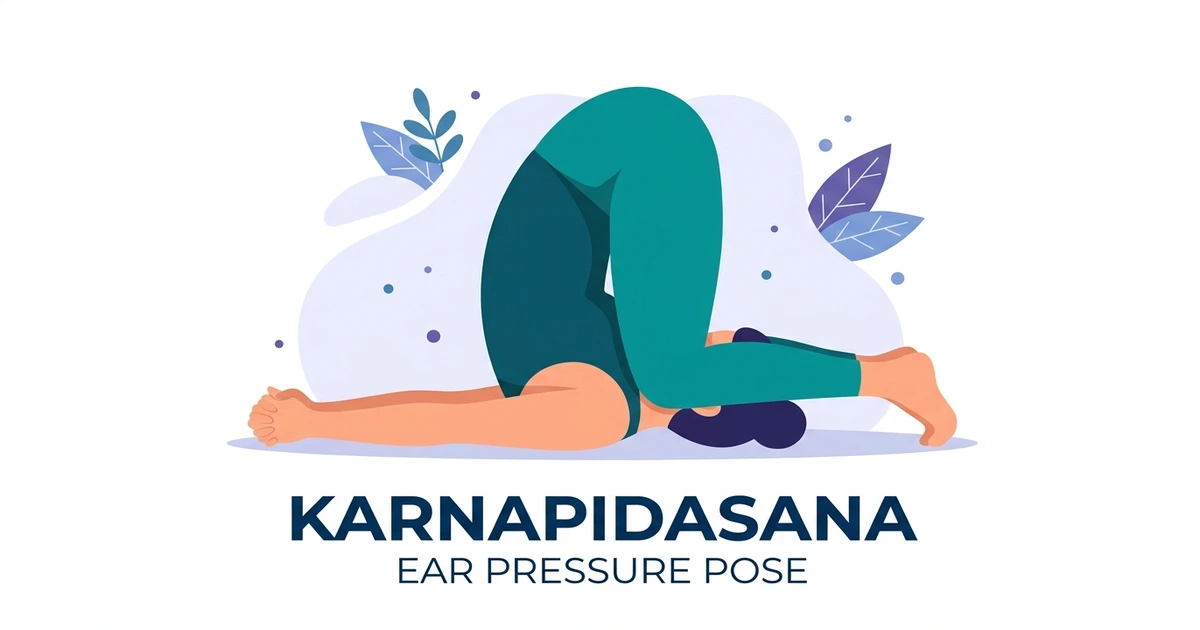
This beautiful shape is called Karnapidasana (Ear Pressure Pose). It is an advanced variation of Halasana (Plow Pose). It takes you deep inside your own mind.
I remember the first time I tried it. My knees barely touched my forehead. I felt trapped and slightly panicked. My breathing became very shallow.
But I stayed with it. I focused on gentle adjustments. Soon, my spine relaxed completely. The tightness in my neck melted away.
Suddenly, a profound silence washed over me. I could only hear my steady heartbeat. It felt like coming home to myself.
We want to share that magical experience with you today. This comprehensive guide will show you everything about this posture. You will learn the correct alignment. We will explore safe entry methods.
We will also share simple modifications for your body type. Are you ready to find your inner quiet? Let us unroll our mats together now.
The Sacred Roots: History and Origin of Karnapidasana
To truly understand this posture, we must look backward. Yoga is not just a modern workout routine. It is an ancient living science from India.
The name comes from three distinct Sanskrit words:
Karna means “ear”.
Pida means “pressure”, “pain”, or “squeeze”.
Asana means “seat” or “posture”.
When we combine them, we get Ear Pressure Pose. It is deeply rooted in traditional Hatha Yoga lineages.
Ancient yogis used this shape for a specific spiritual purpose. They wanted to achieve a state called Pratyahara. This means the withdrawal of the senses.
Ancient Wisdom: In the Yoga Sutras, Pratyahara is the fifth limb of yoga. It acts as a bridge between outer movement and inner meditation.
By placing the knees near the ears, the pose helps reduce external distractions and encourages inward awareness. You stop listening to outside noises. You begin listening to your internal landscape.
This posture was popularized globally in the 20th century. Masters like B.K.S. Iyengar included it in modern practice systems. He taught it as a crucial stage in the inversion sequence.
It follows Plow Pose and Shoulder Stand in traditional ordering. This sequence helps balance the flow of energy in our bodies. It cools down the nervous system after intense backbends. Understanding this history helps us respect the practice deeply.
Is Karnapidasana Beginner Friendly?
Generally, no. Karnapidasana is considered an advanced yoga pose. Most practitioners should first develop comfort with Shoulder Stand and Halasana before attempting it.
Preparatory Poses for Karnapidasana
Karnapidasana is an advanced yoga pose. Preparing the body can help you practice more safely and comfortably.
Before attempting Karnapidasana, try:
- Cat-Cow Pose
- Downward-Facing Dog
- Standing Forward Fold
- Shoulder Stand
- Halasana (Plow Pose)
These poses help warm up the spine, shoulders, hips, and hamstrings while preparing the body for deeper inversions.
Step-by-Step Instructions: How to Do Ear Pressure Pose Safely
This posture requires a careful, methodical approach. You must never rush into an advanced inversion. Your neck and spine need absolute protection.
Let us walk through the safe entry steps together. Take your time with each phase.
Phase 1: Preparing Your Foundation
Start by lying flat on your back. Keep your arms resting beside your torso. Your palms should face the floor firmly.
Take a few deep, grounding breaths here. Relax your shoulders away from your ears. Engage your core muscles gently.
Phase 2: Moving into Plow Pose
Inhale deeply as you lift your legs up. Keep your legs straight at a 90-degree angle.
Exhale and lift your hips off the mat. Use your core power to press down through your hands.
Sweep your feet back over your head. Rest your toes lightly on the ground behind you. You are now in Halasana (Plow Pose).
Phase 3: Lowering into Karnapidasana
Bend both knees gently. Begin lowering your knees toward the floor.
Aim to place your knees on either side of your ears. Your shins should rest flat on the mat.
The tops of your feet should touch the floor. Press the tops of your toes down gently.
Phase 4: Positioning Your Arms
You have two safe options for your hands. Choose the option that matches your current balance.
Option A: Keep your palms pressing flat into the floor. This provides maximum stability.
Option B: Interlace your fingers behind your back. Extend your arms straight along the mat.
Alignment Tips for Spine Safety
Keep your weight on your shoulders. Never place the weight on your fragile neck.
Your hips should align directly over your shoulders. Keep your spine lifting upward toward the ceiling.
Do not turn your head. Always keep your head still and your gaze straight up. Moving your neck can cause serious injury.
How Long Should You Hold Karnapidasana?
Beginners can stay for 10–20 seconds.
Intermediate practitioners can hold for 30–60 seconds.
Always maintain smooth breathing and come out immediately if you feel pain or discomfort.
The Science of Healing: Benefits of Both Mental and Physical Health
This deep forward fold offers incredible therapeutic rewards. It affects both our physical structures and our mental states. Let us break down the specific benefits of both mental and physical health.
Physical Benefits: Deep Spinal Decompression
Our spines endure massive pressure all day long. Sitting at desks compresses our lower back vertebrae. This posture reverses that negative pressure beautifully.
Lengthens the Whole Spine: It stretches the entire posterior chain. You will feel a deep release from your tailbone up to your neck.
Massages Abdominal Organs: The deep fold compresses the stomach area. This stimulates digestion and helps relieve chronic constipation.
Stimulates the Thyroid Gland: The chin-lock position presses against the throat. The throat area is gently compressed in this pose. Some yoga traditions believe this may stimulate the thyroid region, although scientific evidence remains limited.
Opens the Hips and Shoulders: It requires flexibility in the glutes and shoulder girdles. Regular practice dissolves deep physical tension stored there.
Mental Benefits: True Inner Silence
The psychological impact of this shape is immediate. It provides a unique sanctuary for a stressed mind.
Supports Relaxation: The calming nature of the pose may encourage parasympathetic nervous system activity, helping the body feel more relaxed.
Enhances Concentration: Blocking out sound forces you to look inward. It improves your ability to focus on one single point.
Reduces Chronic Anxiety: The soothing pressure calms racing thoughts. Many practitioners find the pose deeply calming and mentally soothing.
Smart Adjustments: Simple Pose Modifications for Every Body
Every human body is completely unique. We all have different bone structures and flexibility levels. You do not need to be hyper-flexible to experience this posture.
Use these simple pose modifications to practice safely today:
Use a Thick Blanket Under Your Shoulders: Place a folded blanket under your upper back. Let your neck hang slightly off the edge. This protects your cervical spine from flattening.
Rest Your Knees on Yoga Blocks: If your knees do not reach the floor, do not force them. Place a block on each side of your head. Rest your knees comfortably on top of the blocks.
Keep Your Hands on Your Lower Back: If you feel unstable, support your spine. Keep your elbows on the floor and hold your lower back with your hands.
Prop Your Feet Against a Wall: Walk your feet up a wall behind you. This reduces the weight bearing down on your shoulders.
Stay Safe: Common Mistakes and How to Avoid Them
When learning how to do advanced shapes, safety is our top priority. Small errors can strain your muscles unnecessarily. Watch out for these frequent mistakes during your practice.
Turning the Head Side to Side
This is the most dangerous mistake. People often turn their head to look at the instructor. This can pinch nerves in the neck. Look straight up always.
Collapsing the Weight Into the Neck
Do not let your upper back round completely forward. Keep your shoulder blades squeezed together. Keep the back of your neck long and free.
Forcing the Knees Down Prematurely
Never force your body into a shape using momentum. Jerking your knees down can strain your back muscles. Move slowly with your breath instead.
Holding the Breath
When the chest is compressed, breathing becomes difficult. Many beginners hold their breath out of fear. This creates tension. Use smooth, shallow breathing techniques through your nose.
Breath Control: Master Your Breathing Techniques in the Fold
Breathing inside this posture feels very different. Your chest is pressed close to your chin. This limits your ability to take huge belly breaths.
You must adapt your breathing techniques to stay calm. Focus on expanding the back of your rib cage. Imagine breathing directly into your upper back muscles.
Keep your inhalations slow and steady. Make your exhalations long and smooth. This conscious breathing keeps panic away. It allows your muscles to surrender to the deep stretch.
Who Should Avoid Karnapidasana?
Karnapidasana is an advanced inversion. It is not suitable for everyone.
Avoid this pose if you have:
- Neck injuries
- Cervical spondylosis
- Herniated disc
- Severe back pain
- Uncontrolled high blood pressure
- Glaucoma or serious eye conditions
- Recent shoulder injuries
- Pregnancy
Always practice under the guidance of a qualified yoga teacher if you are unsure.
Counter Poses After Karnapidasana
After coming out of Karnapidasana, allow your body to relax and return to a neutral position.
Helpful counter poses include:
- Fish Pose (Matsyasana)
- Gentle Supine Twist
- Happy Baby Pose
- Corpse Pose (Savasana)
These poses help release tension in the neck, shoulders, and spine while promoting relaxation.
Frequently Asked Questions
What does Karnapidasana mean in Sanskrit?
Karnapidasana combines the Sanskrit words Karna (ear), Pida (pressure), and Asana (pose). Together, they mean Ear Pressure Pose.
Is Karnapidasana an inversion?
Yes. Karnapidasana is considered an inversion because the hips are elevated above the head while the body folds inward.
Can beginners do Karnapidasana?
Most beginners should first master Shoulder Stand and Halasana before attempting Karnapidasana.
How long should I hold Karnapidasana?
Beginners may hold the pose for 10–20 seconds. More experienced practitioners may stay for up to 60 seconds while maintaining steady breathing.
Your Path Forward: Wrap-Up and Next Steps
Karnapidasana (Ear Pressure Pose) is a magnificent gift for modern practitioners. It teaches us something rare in today’s noisy world. It reminds us that silence is not something we find outside. It already exists within us.
With patience, proper preparation, and mindful breathing, this advanced pose can become a powerful tool for relaxation, self-awareness, and inner focus. Start slowly, respect your limits, and enjoy the journey one breath at a time.
Are you ready to explore your own inner silence? Try incorporating this calming fold into your next home practice session.