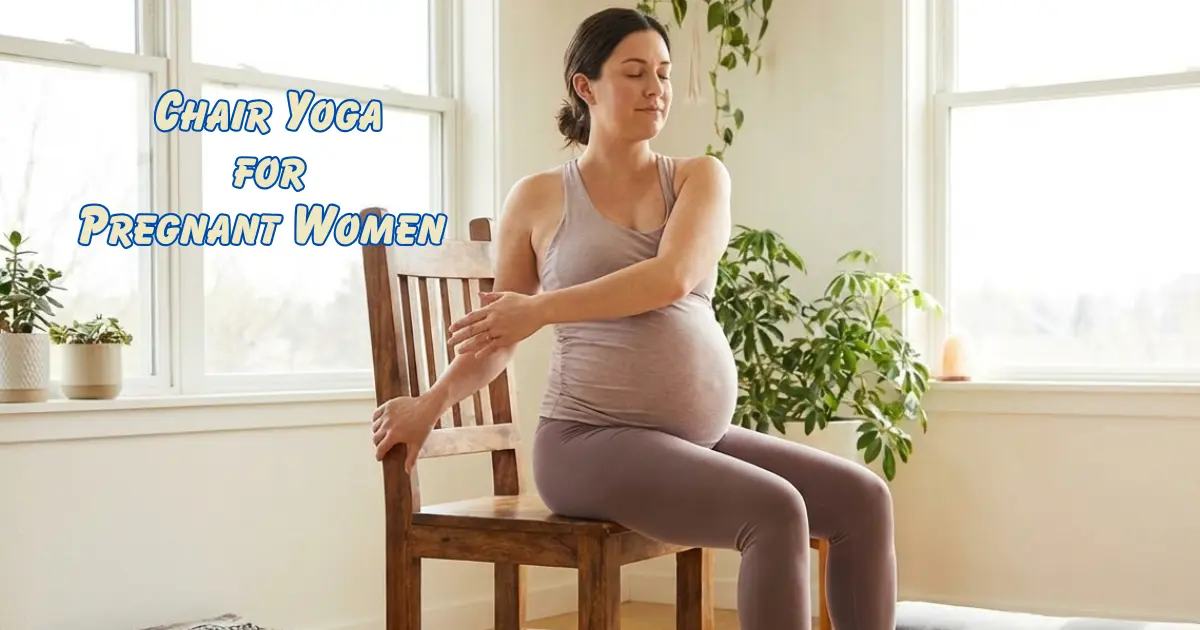
Pregnancy is a time of big changes. Your body, emotions, and energy shift each day. One way to support yourself during this journey is chair yoga for pregnant women. It’s gentle, safe, and easy to do at home or work.
Whether you are new to yoga or want a simple way to stay active, chair yoga is a great choice. You don’t need to sit on the floor or bend deeply. Just a sturdy chair and a few quiet minutes are enough to start.
This guide covers everything you need. The history and benefits of chair yoga, how to do each pose safely, easy modifications, and common mistakes to avoid. This guide gives tips for each trimester.
Always check with your healthcare provider before starting prenatal exercise, especially if you have a high-risk pregnancy, bleeding, severe pelvic pain, placenta concerns, or movement restrictions.
Let’s begin your journey to comfort, strength, and peace.
What Is Chair Yoga? A Short History
Chair yoga began as a way to make yoga more accessible. It was first introduced for seniors and people with limited movement. Over time, it became popular among many, including pregnant women.
During pregnancy, balance becomes harder, and lying on the back or belly can be unsafe. Chair yoga provides a stable way to stretch, breathe, and stay active. It follows the same principles as regular yoga:
Mindful breathing
Gentle movement
Staying present in the moment
Chair yoga is now recommended by many prenatal yoga instructors, doulas, and doctors for pregnant women, especially in the second and third trimesters.
How to Do Chair Yoga for Pregnant Women (Step-by-Step)
Pregnancy can make simple movements feel more challenging as your body changes each week. Chair yoga offers a gentle and supportive way to stay active, ease tension, and help you feel more comfortable without putting extra pressure on your body. These simple movements can help you reconnect with your breath and enjoy safe daily movement.
Before you start:
- Use a strong, straight-backed chair without wheels
- Sit near the edge with both feet flat on the floor
- Keep your spine long and shoulders relaxed
- Avoid holding your breath or pushing too hard
Now, let’s begin with the step-by-step chair yoga practice for pregnancy.
Top 5 Chair Yoga for Pregnant Women
Chair yoga during pregnancy can help you stay active in a gentle and supportive way. These seated poses are designed to improve comfort, reduce daily tension, and support better breathing without putting extra pressure on your growing belly.
Below are 5 simple chair yoga poses that many pregnant women enjoy during different stages of pregnancy.
Start slowly, listen to your body, and move with calm, steady breaths.
1. Seated Cat-Cow Stretch
(Helps spine flexibility and breath awareness)
This gentle stretch wakes up the spine and improves posture. It links slow breathing with soft movement. It is easy, calming, and safe for daily practice.
How to Do It:
- Sit tall on a chair or on the floor. Keep feet hip-width apart.
- Place your hands on your knees or thighs.
- Inhale slowly. Arch your back and lift your chest. Look slightly up.
- Feel the front of the body open with the breath.
- Exhale gently. Round your spine softly and allow the belly to move naturally without pulling it in.
- Tuck your chin softly toward your chest.
- Move in a smooth, relaxed flow with your breath.
- Repeat for 5–8 slow and comfortable rounds.
Benefits:
- This stretch improves spine flexibility and supports better posture.
- It gently releases stiffness in the back, neck, and shoulders.
- It helps you breathe more deeply and with awareness.
- It calms the mind and reduces daily stress.
Tips:
- Move slowly and stay connected to your breath.
- Keep the neck relaxed and never force the movement.
- Stop if you feel pain or discomfort.
2. Seated Side Stretch
(Opens ribs and supports breathing)
This stretch creates space along the sides of the body. It helps the ribs move freely with the breath. It feels light, opening, and refreshing.
How to Do It:
- Sit tall on a chair or mat with feet flat on the floor.
- Place your left hand on the seat or thigh for support.
- Inhale slowly and raise your right arm overhead.
- Exhale and gently lean to the left. Feel the stretch on the right side.
- Keep both sitting bones grounded on the chair.
- Hold the stretch for 3–5 calm breaths.
- Inhale to come back to center.
- Switch sides and repeat.
Benefits:
- This stretch opens the ribs and improves breathing capacity.
- It releases tightness in the waist, shoulders, and upper back.
- It supports better posture and spinal alignment.
- It helps you feel lighter and more relaxed.
Tips:
- Keep the chest lifted and open.
- Avoid collapsing or leaning forward.
- Stretch only to a comfortable range.
3. Seated Twist
(Aids digestion and relieves back tension)
This gentle twist refreshes the spine and belly. It helps release stored tension in the back and feels grounding and calming.
How to Do It:
- Sit tall on a chair or mat with feet grounded.
- Place your hands on your thighs.
- Inhale and lift your spine gently.
- Exhale and slowly twist to the right. Hold the chair back for support.
- Keep the chest open and shoulders relaxed.
- Hold the twist for 3 slow breaths.
- Inhale and return to the center.
- Repeat on the other side.
Benefits:
- This twist supports healthy digestion.
- It gently relieves tension in the upper and middle back.
- It improves spinal mobility and posture.
- It helps calm the nervous system.
Tips:
- Twist from the upper back only.
- Keep the movement slow and gentle.
- Keep twists open and gentle throughout pregnancy. Avoid twisting into the belly.
4. Chair Pigeon Pose
(Loosens tight hips)
This pose gently opens the hips and outer thighs. It helps release stored tension in the lower body. It feels steady and relieving.
How to Do It:
- Sit tall on a chair with both feet flat on the floor.
- Place your right ankle over your left thigh.
- Flex your right foot to protect the knee.
- Inhale and lengthen your spine.
- Exhale and lean forward slightly from the hips.
- Keep your back straight and chest open.
- Hold the pose for 5 slow breaths.
- Inhale to sit back up and switch legs.
Benefits:
- This pose loosens tight hips and outer thighs.
- It reduces stiffness in the lower back.
- It improves hip mobility and comfort.
- It helps you feel more grounded and relaxed.
Tips:
- Keep your spine long and upright.
- Move only as far as feels comfortable.
- Avoid this pose if you feel pressure in your belly.
- Skip this pose if you have pelvic girdle pain, hip instability, or discomfort around the pubic area.
5. Seated Forward Fold
(Releases lower back and calms the mind)
This gentle fold soothes the back and nervous system. It invites the body to slow down and soften. It feels calming and grounding.
How to Do It:
- Sit on a chair or mat and open your legs slightly wider.
- Place your feet firmly on the floor.
- Inhale and sit tall, lengthening the spine.
- Exhale and hinge forward from the hips.
- Let your arms dangle freely toward the floor.
- Rest your hands on your thighs or yoga blocks.
- Keep the neck and shoulders relaxed.
- Hold the pose for 5–6 slow breaths.
Benefits:
- This pose gently releases tension in the lower back.
- It calms the mind and eases stress.
- It improves circulation in the spine.
- It supports deep, relaxed breathing.
Tips:
- Do not let the belly press hard into the legs.
- Keep the fold soft and comfortable.
- Rise slowly to avoid dizziness.
Benefits of Chair Yoga for Pregnant Women
Pregnancy can place extra pressure on your body and bring emotional ups and downs along the way. Chair yoga offers a gentle, supportive way to stay active while helping you feel more comfortable, relaxed, and connected throughout your pregnancy.
Chair yoga offers many physical and mental benefits, supported by research and expert experience:
Physical Benefits:
Your body works harder during pregnancy as your belly grows and your posture changes. Chair yoga supports gentle movement that can ease discomfort and help your body feel stronger and more supported.
Improves posture and reduces back pain
Boosts circulation and reduces swelling
Eases joint stiffness in hips and legs
Strengthens muscles used in labor and delivery
Supports digestion and reduces heartburn
Mental Benefits:
Pregnancy can bring emotional changes and busy thoughts throughout the day. Chair yoga creates quiet moments to breathe, relax, and feel calmer and more connected.
Reduces stress and anxiety
Improves sleep quality
Boosts mood and emotional balance
Encourages mindfulness and bonding with the baby
Studies show that yoga during pregnancy lowers the risk of preterm labor and reduces pain perception during delivery. (Source: PubMed, 2020)
Common Mistakes to Avoid
Even though chair yoga is gentle and beginner-friendly, small mistakes can make movements feel less comfortable during pregnancy. Paying attention to posture, breathing, and body signals can help you practice more safely and enjoy the full benefits.
Even gentle poses need mindful attention. Avoid these common errors:
Holding your breath: Always breathe freely
Leaning too far: Keep movements small and slow
Slouching: Sit tall with a straight back
Over-twisting or folding: Keep belly space open
Skipping props: Use cushions or blocks if needed
Safety Tip: Always check with your doctor before starting yoga, especially if you have a high-risk pregnancy.
Pregnancy feels different in every trimester, and your yoga practice should change with it. Small adjustments and supportive props can help you stay comfortable, move safely, and enjoy each pose as your body changes.
Modifications and Props for All Trimesters
First Trimester:
Your energy and comfort levels may change from day to day during early pregnancy. Focus on gentle movement and avoid doing too much too soon.
- Keep it gentle if you feel tired or dizzy
- Avoid deep twists or fast movements
Second Trimester:
As your belly grows and balance begins to shift, create more space and support for comfortable movement.
- Use a cushion under the feet if they swell
- Open legs wider for belly space
Third Trimester:
This stage is a good time to slow down and focus on comfort, breathing, and supportive movement.
- Use a yoga block for more support
- Avoid forward folds that compress the belly
- Focus on breathing and rest poses
Helpful Props:
Simple yoga props can make chair yoga feel more supportive and relaxing throughout pregnancy.
- Yoga blocks for support
- Cushions for comfort
- Resistance band for gentle stretching
- Blanket under feet to prevent slipping
Real-World Story: Lisa’s Chair Yoga Journey
Lisa, a 32-year-old mom-to-be from Austin, shared:
“I was nervous to try yoga during my pregnancy. But chair yoga felt safe and easy. I could do it in my living room while watching TV. My back pain reduced, and I felt more in control of my emotions.”
Her favorite pose? “Seated Cat-Cow. It helped me feel connected to my breath and my baby.”
10-Minute Chair Yoga Routine
Short sessions can feel easier to maintain during pregnancy. Try this gentle routine:
• 2 minutes — Deep breathing
• 2 minutes — Seated Cat-Cow Stretch
• 2 minutes — Seated Side Stretch
• 2 minutes — Chair Pigeon Pose
• 2 minutes — Seated Forward Fold and rest
FAQs About Chair Yoga for Pregnant Women
Q1: Is chair yoga safe for all pregnant women?
Yes, for most. But always talk to your doctor first, especially if you have complications.
Q2: Can I do chair yoga in the third trimester?
Yes! It’s one of the safest forms of yoga during late pregnancy. Use support and avoid deep folds.
Q3: How often should I do chair yoga?
Start with 2–3 times a week. Even 10–15 minutes can help.
Q4: Do I need yoga experience?
No. Chair yoga is beginner-friendly and easy to follow.
Q5: What should I wear during chair yoga?
Wear loose, stretchy clothes that allow free movement and support your belly.
Q6: Can I do this at work or in public?
Absolutely! Chair yoga is quiet, low-key, and can be done anywhere.
Conclusion: Embrace the Calm and Strength Within
Chair yoga for pregnant women is a gentle yet powerful practice. It helps your body adjust, your mind relax, and your heart open to the new life growing inside you.
With just a few minutes a day, you can reduce pain and stress and improve posture and flexibility. You may feel more confident and in control.
No mat. No fancy poses. Just you, your chair, and your breath. Ready to try chair yoga? Start today. Your body and baby will thank you.