Introduction: Prenatal Yoga for Constipation Relief
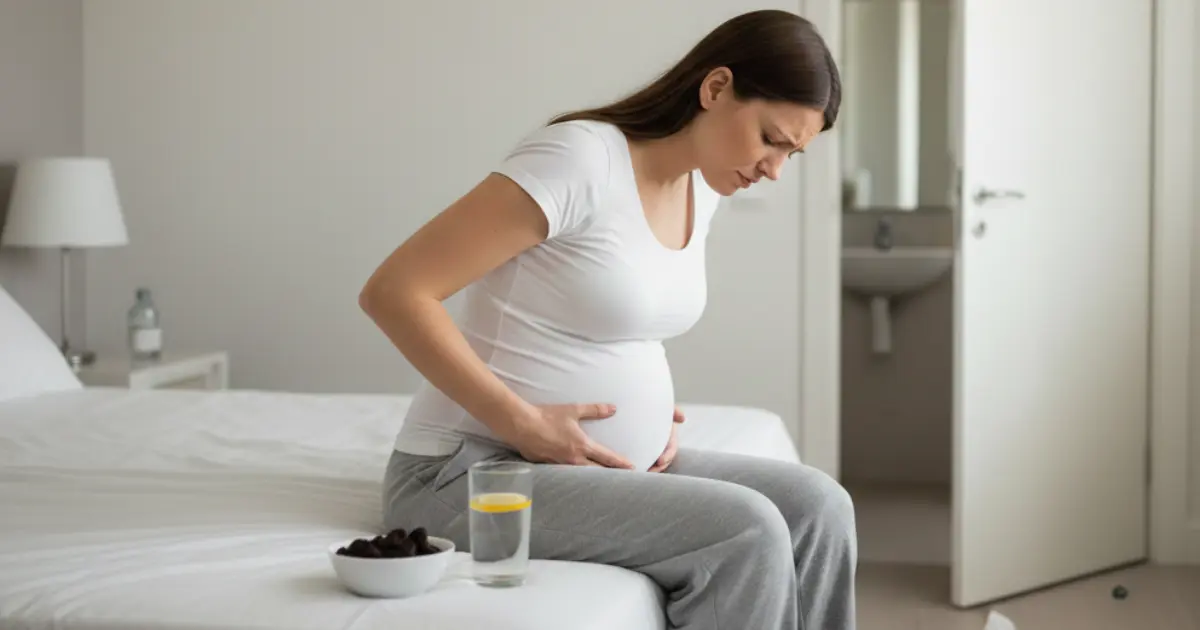
Constipation during pregnancy is very common. Nearly 40% of pregnant women experience it at some stage. Bloating, hard stools, and discomfort can make daily life feel heavy and tiring. This is a normal pregnancy concern, but it should not be ignored.
So, why does constipation happen during pregnancy? Hormonal changes are a key reason. Higher levels of progesterone relax the muscles of the digestive tract. This slows bowel movement and makes stools harder to pass. As the baby grows, the expanding uterus also puts pressure on the intestines, which further slows digestion.
Lifestyle factors can add to the problem. Reduced physical activity, dehydration, iron supplements, and changes in routine often make pregnancy constipation worse. Together, these changes can leave many women feeling uncomfortable and frustrated.
This is where prenatal yoga for constipation can help. Yoga is a gentle, non-invasive practice that supports natural digestion. Certain pregnancy-safe yoga poses softly massage the abdomen and encourage bowel movement. Slow breathing reduces stress, which is important because stress can tighten the gut and slow digestion even more.
Safety is essential. This content is written for educational purposes and is based on general prenatal wellness principles. Always consult your doctor, midwife, or a qualified prenatal yoga instructor before starting any new exercise routine during pregnancy. Every pregnancy is unique, and your care should always be personalized.
Why Pregnancy Causes Constipation
Constipation is very common in pregnancy. Many women feel it early. Some feel it more as weeks pass. It can feel uncomfortable, heavy, and frustrating. You are not alone in this.
Hormonal shift is the first big reason. During pregnancy, your body makes more progesterone. This hormone helps relax the uterus. But it also relaxes the gut muscles.
When gut muscles slow down, food moves slowly. This slows peristalsis, the wave-like motion of digestion. Stool becomes hard and dry.
Iron supplements also play a role. Most prenatal vitamins contain iron. Iron is important for you and your baby. But it can slow digestion.
Iron makes stool harder. It also reduces gut movement. This often leads to constipation, bloating, or gas.
Physical changes add more pressure. As your baby grows, the uterus expands. It presses on the intestines.
This “crowding” reduces space for digestion. Stool moves slower. Emptying the bowels feels harder.
The mind-body connection is often ignored. Pregnancy brings joy, but also worry. Thoughts about birth, pain, or safety can create stress.
Stress makes the body tighten. Many women hold tension in the belly and pelvic floor. This tension can block smooth bowel movement.
Less movement can also worsen constipation. Tiredness increases during pregnancy. Sitting or resting more slows digestion further.
Water needs also increase. If you drink less, stool becomes dry and hard.
Constipation is not a failure of your body. It is a natural response to many changes happening at once.
Gentle movement, calm breathing, water, and fiber can help. Mama, your body is doing its best. Be kind to it.
How Yoga Specifically Helps Digestion
Yoga helps digestion in a gentle way. It does not force the body. It works with your natural rhythm. This is why it feels safe and soothing in pregnancy.
Gentle massaging is one key benefit. Many yoga poses softly fold, twist, or stretch the belly.
This creates a light compression and release effect on the intestines. When you compress, you gently squeeze the gut. When you release, fresh blood flows back in. This movement helps wake up digestion and move waste forward.
Slow poses like Cat–Cow or gentle side stretches are very helpful. They guide the intestines to move without strain. Over time, bowel movements feel easier and more regular.
Pelvic floor relaxation is another big reason yoga helps. Many women unknowingly hold tension in the pelvic floor. Stress, fear, or pain can cause a constant clench.
When the pelvic floor stays tight, stool cannot pass easily. Yoga teaches awareness and release. Breathing with movement helps the muscles soften and let go.
Poses done with slow exhales signal safety to the body. This allows the pelvic floor to shift from holding to releasing. Bowel movements become smoother and less painful.
Parasympathetic activation is the deeper magic of yoga. Stress keeps the body in “fight or flight” mode. In this state, digestion slows down.
Yoga uses breath, rhythm, and stillness to activate the rest and digest system. This is called the parasympathetic response.
When this system turns on, digestion improves naturally. Gut muscles move better. Blood flows to the digestive organs. The mind also feels calm.
Yoga is not just exercise. It is nervous system care.
With regular, gentle practice, digestion feels lighter and more natural. Mama, your body knows how to heal when it feels safe.
8 Yoga Poses for Constipation Relief
These poses are gentle and safe. They support digestion. They also calm the mind.
Move slowly. Breathe softly. Never force the body.
1. Cat–Cow (Marjaryasana–Bitilasana)
How to do it:
Come onto hands and knees. Hands under shoulders. Knees under hips.
Inhale. Drop the belly. Lift the chest and tailbone.
Exhale. Round the spine. Draw the belly in.
Move slowly with the breath. Repeat 8–10 rounds.
Why it helps:
This pose wakes up the spine. It gently shifts the internal organs.
The movement massages the intestines. It encourages bowel movement.
Breathing with motion also calms the nervous system.
Pregnancy modifications:
Keep movements soft. Do not force the belly in.
Move within comfort. If wrists hurt, come onto fists or forearms.
2. Extended Child’s Pose (Balasana)
How to do it:
Kneel on the mat. Open knees wide. Big toes touch.
Sit back toward the heels.
Reach arms forward. Rest chest between thighs.
Breathe slowly for 5–10 breaths.
Why it helps:
This pose calms the mind. It relaxes the belly and pelvic floor.
A calm body digests better. Stress melts away.
Pregnancy modifications:
Always keep knees wide. Make space for the belly.
Use a bolster or pillow under the chest for support.
3. Malasana (Garland Pose / Yogic Squat)
How to do it:
Stand with feet wider than hips. Turn toes slightly out.
Lower into a deep squat.
Bring hands to prayer at the heart.
Keep chest lifted. Breathe deeply.
Why it helps:
This is the ultimate digestion pose.
It opens the hips and pelvic floor.
Gravity helps waste move downward naturally.
Pregnancy modifications:
Place a block under the sits bones for support.
Hold a wall or chair for balance.
Do not strain. Comfort first.
4. Standing Forward Fold with Wide Legs (Uttanasana)
How to do it:
Stand with feet wide apart.
Inhale. Lift arms.
Exhale. Fold forward from the hips.
Let head and neck relax. Hands rest on blocks or floor.
Why it helps:
Gravity helps release the lower back and belly.
It reduces tension in the spine and hips.
Relaxation helps digestion flow.
Pregnancy modifications:
Always keep legs wide.
Fold halfway if full fold feels heavy.
Rise slowly to avoid dizziness.
5. Puppy Pose (Uttana Shishosana)
How to do it:
Come onto hands and knees.
Walk hands forward. Keep hips above knees.
Lower chest toward the mat.
Rest forehead on a block or mat.
Why it helps:
This pose stretches the torso gently.
It creates space around the organs.
It calms the nervous system deeply.
Pregnancy modifications:
Use blocks under chest and head.
Keep belly free and relaxed.
Avoid holding the breath.
6. Side Angle Pose (Parsvakonasana)
How to do it:
Stand with legs wide. Turn right foot out.
Bend right knee.
Place right forearm on thigh.
Reach left arm overhead. Create a long line.
Why it helps:
This pose stretches the side body.
It lengthens the digestive tract.
Blood flow improves in the belly area.
Pregnancy modifications:
Keep stance shorter.
Use a block under the hand if needed.
Avoid deep lunges. Stay steady.
7. Modified Triangle Pose (Trikonasana)
How to do it:
Stand with legs wide. Turn right foot out.
Extend arms out.
Hinge at the hip. Place right hand on block or thigh.
Left arm lifts up. Chest stays open.
Why it helps:
This open twist stimulates the colon.
It improves digestion without pressure.
It also relieves gas and bloating.
Pregnancy modifications:
Avoid deep closed twists.
Keep chest open and lifted.
Use blocks for full support.
8. Wind Relieving Pose – Modified (Pawanmuktasana)
How to do it:
Lie on your back with knees bent.
Inhale.
Exhale. Hug one knee toward the chest.
Switch sides after 5 breaths.
Why it helps:
This pose helps release trapped gas.
It gently massages the intestines.
Doing one leg keeps it safe and effective.
Pregnancy modifications:
Do one leg at a time only.
Keep head and shoulders relaxed.
If lying flat is uncomfortable, prop upper body up.
Final gentle reminder
Constipation during pregnancy is common. It is not your fault.
Yoga helps by calming the body. It creates space and softness inside.
Move slowly. Breathe deeply.
Listen to your body every day.
Mama, your body is wise. Trust the process.
Critical Safety Guidelines
Safety always comes first in pregnancy yoga. Your body is changing every day.
Gentle care protects you and your baby.
Avoid closed twists.
Closed twists are twists toward the bent knee or across the belly. These compress the abdomen. This can reduce space and blood flow.
Open twists are safer. Twist away from the front leg. Keep the chest open. This creates space for the belly and supports digestion without pressure.
No prone poses.
Prone poses are poses done lying on the belly. These should be avoided in pregnancy.
Pressure on the abdomen can be unsafe and uncomfortable. As the belly grows, these poses also strain the lower back. Always choose side-lying, seated, or upright poses instead.
Be careful lying on the back.
In the second and third trimesters, lying flat can cause dizziness or nausea. This is called supine hypotensive syndrome.
The weight of the uterus presses on major blood vessels. This can reduce blood flow. If you lie on your back, keep it short. Use a bolster or pillow to lift one side of the body.
Listen to your body.
A good stretch feels gentle and steady. You can breathe through it.
Sharp pain, pinching, or pressure is a warning sign. Stop right away if you feel it. Never push through discomfort.
Pregnancy yoga is not about doing more. It is about doing what feels right.
Move slowly. Rest often.
Mama, your comfort is the best guide.
Complementary Lifestyle Tips
Yoga works best when daily habits support it. Small changes can make a big difference.
These tips help digestion feel smoother and more natural.
Hydration matters.
Fiber needs water to work well. Without enough water, stool becomes hard.
Sip water all day. Start your morning with a warm glass of water. Herbal teas also help. When you hydrate well, yoga movements guide digestion better.
Choose fiber-rich foods.
Fiber adds bulk and softness to stool. It helps waste move forward.
Pregnancy-safe fiber sources include fruits like pears, apples, and berries.
Vegetables like spinach, carrots, and pumpkin are gentle options.
Whole grains, oats, chia seeds, flaxseeds, and lentils also support digestion. Add fiber slowly to avoid gas.
Use the “Squatty Potty” method.
The body empties best in a squat position. Sitting straight on a toilet creates a bend in the rectum.
Placing a small stool under your feet lifts the knees. This aligns the body and relaxes the pelvic floor. Elimination becomes easier and faster, without straining.
Ask about magnesium.
Magnesium helps relax muscles. It can soften stool and support regular bowel movements.
Some pregnant women benefit from it. Always talk to your doctor before taking magnesium supplements. Your care provider can guide the right type and dose.
Constipation needs a gentle approach.
Yoga, water, food, and posture work together.
Mama, support your body with kindness. Small steps bring real relief.
Conclusion
Relief comes from small, steady steps. A daily 10-minute yoga flow works better than one long session a week.
Gentle movement every day keeps digestion active. It also helps the body stay calm and relaxed.
You already have the tools you need. Your breath, your body, and simple poses can bring real comfort.
Yoga teaches you to listen inward. When you move with care, your body responds with ease.
Trust yourself. Some days will feel light. Other days may feel slow. Both are okay.
What matters is showing up with kindness, not pushing for perfection.
Constipation in pregnancy can feel heavy, but it does not control you.
With regular yoga, supportive habits, and patience, relief is possible.
Take it one breath at a time.
Mama, may your pregnancy feel softer, calmer, and more comfortable each day.