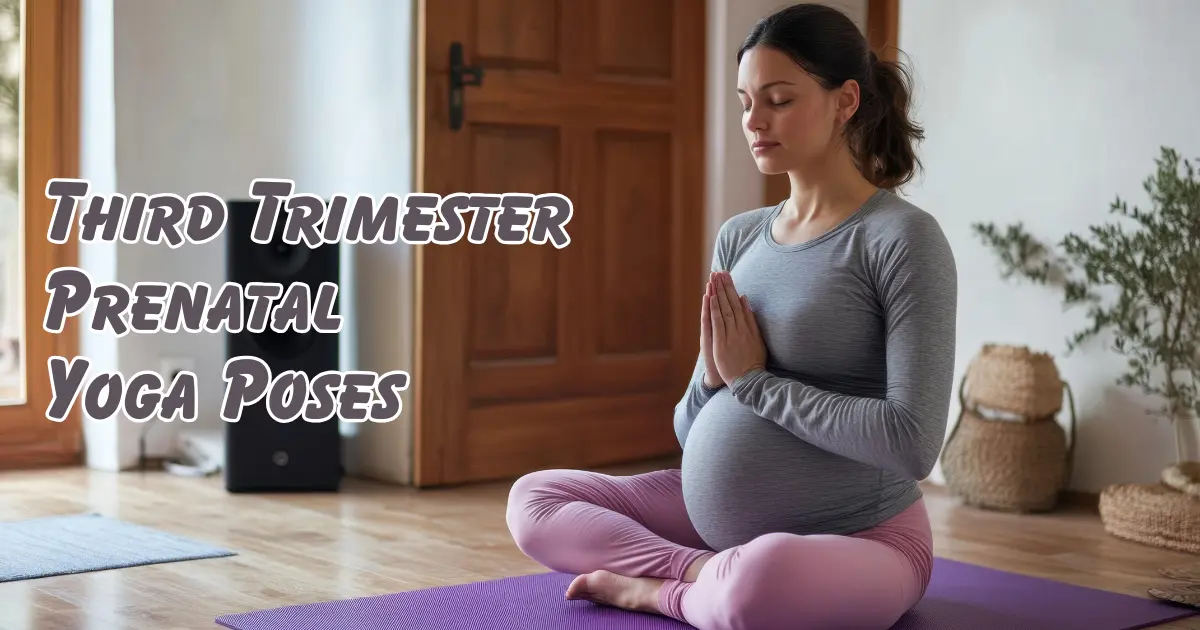
Third trimester prenatal yoga is one of the safest ways to ease late-pregnancy pain and support your body for birth. This gentle practice helps you feel strong, calm, and comfortable during the final weeks.
Did you know that almost one-third of pregnant women experience back pain, swelling, heavy legs, and deep tiredness in the third trimester? Mama, this last stage of pregnancy brings big changes in your body and mind. Gentle movement eases these changes. Third-trimester prenatal yoga gives you space, comfort, and calm. With soft stretches and mindful breathing, you relax your hips, rest your lower back, sleep better, and prepare for birth with more confidence.
Think of yoga as your daily gift. A sweet moment for you. A gentle hug for your baby. A safe way to ease pressure, release stress, and feel grounded as you move closer to your due date.
In this full guide, you will learn:
What happens to your body in the third trimester
5 Key Benefits of prenatal yoga
12 Safe Poses for hips, legs, and back pain relief
What to avoid for safety
Breathing tips for labour
Modifications, props, and comfort ideas
Common mistakes and simple fixes
Let’s begin this journey of soft movement, deep breath, and loving care for your growing body.
What Happens to Your Body in the Third Trimester?
The third trimester begins around week 28. Your baby grows fast. Your belly becomes bigger and rounder. Your centre of gravity shifts, making balance tricky. Simple tasks can feel heavy. Walking may feel slow. Sleep may feel broken.
Here are the most common physical changes:
Heavier Belly and More Pressure: Your belly expands every week. This adds pressure on your lower back, hips, pelvic floor, and bladder.
Back Pain: As the belly grows, your posture changes. This is a big reason for lower back pain.
Swelling in Feet and Hands (Oedema): Your body holds more water now. This causes swelling, especially at the end of the day.
Sciatica: The baby’s position can press on the sciatic nerve. This causes a sharp or dull ache that travels from the back to the leg.
Fatigue: Your body works nonstop to support your baby. You may feel tired even after resting.
Sleep Problems: You may wake up often. You may feel too warm. You may struggle to get comfortable.
Braxton Hicks: These practice contractions prepare your uterus for birth. They may feel strange at first, but they are usually harmless.
Emotional Waves: You may feel excited and nervous at the same time. You may feel the “nesting” urge. You may worry about labour or your changing body. All of this is normal.
Yoga supports all these changes. It gives you comfort, balance, strength, and mental calm.
Why Third Trimester Yoga Matters
Your body works harder in the last weeks. Third trimester prenatal yoga gives your muscles support, helps you breathe better, and keeps you mentally calm. It is simple, gentle, and safe when you follow basic guidelines.
5 Key Benefits of Third Trimester Prenatal Yoga
Third trimester prenatal yoga is gentle, slow, and safe. It is made to support your body and your emotions during these last important weeks. Here are the key benefits:
Physical Benefits
Pain Relief: Soft stretches reduce lower back pain, hip tightness, and pelvic pressure. Yoga also helps ease sciatica.
Better Circulation: Gentle movements improve blood flow. This helps reduce swelling in the legs and feet.
More Flexibility and Strength: Opening your hips and strengthening your legs prepares your body for labour.
Improved Sleep: Relaxing poses help calm your body at night.
Better Posture: Yoga keeps your spine long and strong. This protects your back as your belly grows.
Mental & Emotional Benefits
Less Stress: Deep breathing helps your mind relax.
Managing Anxiety: Yoga teaches you to breathe through tension and fear.
Confidence for Birth: You learn to trust your body.
Emotional Support: Yoga gives you space to rest and feel grounded.
Connection with Baby: Each breath and movement brings peaceful bonding.
Labor Preparation Benefits
Breathing Practice: Breaths like Ujjayi or belly breathing help you stay calm during contractions.
Pelvic Opening: Yoga gently opens your hips and pelvis to support the baby’s downward movement.
Endurance: Slow, steady movements build stamina for labour.
Mind-Body Connection: You learn to stay present, focused, and calm.
Safety Guidelines: What to Avoid in Third Trimester Yoga
Your body is very different now. Safety comes first. Always follow these simple but important rules.
Consult Your Doctor First: Only practice yoga if your doctor or midwife has given their approval.
Listen to Your Body: Never push. Move slowly. If anything feels wrong, stop.
Avoid These Poses:
Lying flat on your back for long
Deep twists
Strong inversions
Balancing poses without support
Hot yoga
Any pose that causes pain or pressure
Stay Hydrated: Drink water before, during, and after your practice.
Use Props: Use pillows, bolsters, blocks, cushions, blankets—anything that helps you feel safe and supported.
Practice with a Certified Prenatal Yoga Teacher: They understand your needs and guide you safely.
Stop Immediately If You Feel:
Dizziness
Sharp pain
Bleeding
Strong contractions
Baby moving less
Shortness of breath
Your safety comes first. Always.
The 12 Best & Safest Prenatal Yoga Poses for Third Trimester
The third trimester brings big changes. Your baby is growing, your belly is fuller, and your body is getting ready for birth. Yoga can be a soothing way to ease discomfort, stay strong, and connect with your breath and baby. Here are supportive third-trimester prenatal yoga poses that are safe and helpful during this stage. Plus simple tips to make each one your own.
A. Pelvic Opening Poses for Labor Preparation
Mama, your body is a sacred home for new life. Gentle yoga poses that open the hips and pelvis can give your body more space, improve circulation, and even prepare you for birth.
1. Bound Angle Pose (Baddha Konasana)
What it is: Sit tall, bring the soles of your feet together, and let your knees fall open. Hold your feet or ankles gently. Imagine your spine growing tall like a tree while your hips soften.
Why it helps: This is one of the most effective hip openers, gently stretching the inner thighs, releasing tightness, and increasing blood flow in the pelvic area. It is also calming for the mind.
Modifications: Sit on a folded blanket or cushion to lift your hips. Place yoga blocks or soft pillows under your knees for support.
Common Mistakes: Rounding the spine (try to lengthen and keep your chest open) and forcing the knees down (let them soften naturally).
2. Goddess Pose (Utkata Konasana)
What it is: Stand with your feet wide apart, toes pointing out. Slowly bend your knees and sink your hips down into a squat. Keep your spine tall and arms strong.
Why it helps: This pose is powerful. It strengthens your thighs, glutes, and core while opening your hips and pelvis. It builds endurance and creates more space in the pelvic area, which can help your baby settle into an optimal position.
Modifications: Practice with your back against a wall for extra support. Keep the squat gentle—a small bend in the knees is sufficient.
Common Mistakes: Knees collapsing inward (ensure knees point in the same direction as your toes) and holding the breath (breathe slowly and deeply).
3. Malasana (Yogi Squat)
What it is: Stand with feet slightly wider than hips, toes pointing out. Lower down into a full squat, bringing hips close to the ground. Press your elbows gently against your inner thighs.
Why it helps: Malasana stretches the hips, inner thighs, and pelvic floor while releasing the lower back. It mirrors the squatting position often used in birthing, making it excellent preparation for labor.
Modifications: Sit on a yoga block or low stool if the full squat is too deep. Place a rolled blanket under your heels if they lift off the floor.
Common Mistakes: Forcing the depth (stay where you feel grounded and open, not strained) and hunching forward (keep your chest lifted and spine long).
4. Wide-Legged Child’s Pose (Balasana Variation)
What it is: Kneel, bring your knees wide apart to make space for your belly, and sit your hips back toward your heels. Fold your torso forward and rest your arms and head on a bolster or pillows.
Why it helps: This is one of the most soothing pelvic openers. It gently stretches the hips while relaxing the spine and shifts the nervous system into rest mode, easing stress and fatigue.
Modifications: Use a bolster or pillows under your chest and head for support. Adjust the width of your knees until it feels most comfortable for your belly.
Common Mistakes: Hips floating up (use props if your hips don’t reach your heels) and neck strain (make sure your head rests on something soft).
B. Targeted Relief for Pregnancy Sciatica and Swelling
The growing weight of your baby often leads to discomfort in your hips and legs. These poses offer much-needed relief and encourage blood flow to combat swelling.
1. Modified Pigeon Pose
What it is: From hands and knees, bring one knee forward, placing your shin at a comfortable angle. Stretch the other leg back. Keep hips square. Stay upright or fold forward slightly.
Why it helps: It’s wonderful for tight hips and glutes and can help ease sciatic discomfort. It offers deep, targeted relief to one hip at a time.
Modifications: Place a bolster or blanket under the hip of the front leg to keep your pelvis level. If folding forward is too intense, simply stay upright.
Common Mistakes: Forcing the front leg (let it rest in a natural, gentle angle) and uneven hips (use props to keep them facing forward).
2. Figure Four Stretch (On Back or Wall)
What it is: Lie on your back (if comfortable) or sit close to a wall. Cross one ankle over the opposite thigh, creating a figure four shape. Gently draw your legs toward your chest (on back) or use the wall for support (against the wall).
Why it helps: This pose eases tension in the outer hips and glutes, which are often sore, and can help relieve tension that pulls on the lower back.
Modifications: Do this pose against a wall if lying on your back feels uncomfortable later in pregnancy. Keep the stretch soft—a small opening provides big relief.
Common Mistakes: Pulling too hard (keep the movement smooth and slow) and tension in the shoulders (keep them relaxed).
3. Legs Up the Wall (Modified Viparita Karani)
What it is: Sit sideways close to a wall, swing your legs up, and gently roll onto your back (if comfortable). Place a folded blanket under your hips and keep your upper body slightly raised with pillows.
Why it helps: This is one of the best ways to reduce swelling in the feet, ankles, and legs by encouraging fluid return. It also calms the nervous system.
Modifications: Keep your upper body slightly raised with pillows to take pressure off your back. If lying on your back is uncomfortable, rest on your side with your legs supported by the wall.
Common Mistakes: Lying completely flat (always maintain a slight incline or rest on your side) and staying too long (begin with three to five minutes).
C. Back Pain Relief
Back pain is common as the baby’s weight shifts forward. These three poses help ease back pain by releasing tension, improving posture, and building gentle core strength.
1. Cat-Cow Pose (Marjaryasana–Bitilasana)
What it is: On hands and knees, flow with your breath. Inhale: Arch your back, lifting your chest (Cow Pose). Exhale: Round your spine, tucking your chin (Cat Pose).
Why it helps: This gently mobilizes the spine, improving flexibility and circulation, and bringing instant relief to both the lower and upper back. It also encourages mindful breathing.
Modifications: Place a folded blanket under your knees. If wrists are sore, make fists or place forearms on blocks. Move slowly.
Common Mistakes: Moving too fast (link each shift slowly with your breath) and forcing the spine (keep the movement gentle).
2. Gentle Standing Backbend (with support)
What it is: Stand hip-width apart. Place your hands on your lower back for support. As you inhale, lift your chest upward, focusing on opening the front body.
Why it helps: It stretches the front of the body (chest, belly, hip flexors) and eases tightness in the lower back, countering the forward pull of pregnancy to restore balance.
Modifications: Practice near a wall for balance support. Keep the backbend very soft.
Common Mistakes: Leaning too far back (focus on lifting your heart upward) and tensing the neck (keep your neck relaxed).
3. Modified Side Plank
What it is: Start on hands and knees. Extend one leg straight out to the side. Keep your bottom knee on the mat and lift your opposite arm toward the ceiling, opening your chest to the side.
Why it helps: This pose strengthens the side body and core without strain, which is vital for supporting the spine and reducing the load on the lower back.
Modifications: Use a block under your supporting hand to reduce wrist pressure. If reaching the top arm is tiring, place it on your hip.
Common Mistakes: Letting the belly drop (engage your core gently) and collapsing the shoulder (press firmly through the supporting hand).
D. Restorative Poses
Restorative poses are about complete rest, comfort, and letting go to recharge your body and quiet your mind.
1. Supported Savasana
What it is: Lie back at an incline, with your upper body lifted by a bolster or firm pillows. Support your legs with cushions, avoiding lying flat.
Why it helps: This position provides deep rest, reduces swelling, and the incline makes it easier to breathe. It calms the nervous system and releases stress.
Modifications: Use two or three pillows to find the right incline. Place a cushion under your knees to relax your legs.
Common Mistakes: Lying flat (always maintain an incline for safety and comfort) and forgetting props (the more support, the deeper the rest).
2. Side-Lying Savasana
What it is: Rest on your left side, fully supported. Place one pillow between your knees, one under your belly, and one behind your back to lean into.
Why it helps: This is the safest and coziest way to rest in later pregnancy. It supports good circulation, eases pressure on the lower back, and feels secure and nurturing.
Modifications: Use as many pillows as needed to build a soft nest. Hug a pillow in front of your chest if your shoulders feel uncomfortable.
Common Mistakes: Not enough support (always use plenty of props) and rolling onto your back (stay safely on your side).
E. Pranayama: Breathing Techniques for Calm & Active Labor
Mindful breathing creates space to relax, open up, and feel at peace. These simple techniques help you stay grounded, calm your mind, and prepare you for the rhythm of labor.
1. Deep Abdominal Breathing
What it is: Place your hands on your belly. Inhale slowly through your nose, letting your belly rise under your hands. Exhale with ease, letting the belly soften.
Why it helps: It connects you with your baby, soothes your nervous system, and helps your body release tension. It teaches your mind how to soften for labor.
Common mistakes: Breathing only into the chest and lifting the shoulders. Guide your breath downward; imagine your belly expanding like a balloon.
2. Ujjayi Breath (Victorious Breath)
What it is: Inhale deeply through the nose. As you exhale, slightly narrow your throat, letting the breath make a quiet, ocean-like sound (like a whisper).
Why it helps: Ujjayi breath keeps your focus steady, training your mind to stay present, which is a powerful skill for navigating labor.
Common mistakes: Tensing the throat too much. The sound should be smooth and soft, not harsh.
3. Nadi Shodhana (Alternate Nostril Breathing)
What it is: Sit comfortably. Close one nostril with your thumb and inhale through the open side. Close the first nostril with your ring finger, open the second, and exhale. Continue switching sides (Inhale Left, Exhale Right; Inhale Right, Exhale Left).
Why it helps: This breath balances both sides of the body and mind, easing stress and bringing harmony to your nervous system when emotions shift quickly.
Common mistakes: Rushing. Move gently and slowly.
Mama, let yoga support you in this tender time. There’s no rush, no pressure, no need to be perfect. Every gentle movement and every deep breath is an act of love. It’s for yourself and for your baby. You are strong, capable, and doing beautifully already.
Creating Your Third Trimester Yoga Practice
In your third trimester, yoga becomes less about effort and more about ease. It’s a space to slow down, breathe deeply, and care for your growing body and baby.
Class or Home?: Joining a professional prenatal yoga class is uplifting, but home practice is cozy and flexible.
How Often?: Try practicing 2–3 times a week, even if it’s just 15 minutes. It’s about how you feel, not how long you stay on the mat.
A Moment for Mindfulness: Add soft breathing, a quiet sit, or a simple “thank you” to your baby.
Want to Involve Your Partner?: They can join for gentle stretches or breathing.
In this season, your yoga doesn’t need to be perfect. It just needs to feel good. May it be a safe and loving pause in your day. You’re doing beautifully, mama.
Conclusion: A Gentle Closing for This Chapter
Mama, the third trimester feel heavy, both physically and emotionally. But yoga is here to hold you. It’s not just about stretching or strength. It’s about softening and creating space for you and your baby.
Each pose you’ve practiced helps you prepare for the beautiful chaos that follows. You’ve opened your hips, relaxed your back, and found calm in your breath.
Third trimester prenatal yoga helps you feel strong, supported, and ready for birth. With gentle poses, breathing, and mindful rest, this practice gives your body comfort and calm in the final weeks.
You’re doing beautifully. You’re strong, even on the hard days. Keep listening inward. Rest when you need. Move when it feels right. And yes, always check with your doctor or midwife to stay safe.
Frequently Asked Questions (FAQ)
Q: Is it safe to do yoga every day in the third trimester?
A: Yes, gentle yoga is safe daily, provided you listen to your body and have clearance from your doctor. Consistency, even in short 10-15 minute sessions, is better than long, strenuous workouts.
Q: What is the best yoga pose for third-trimester back pain?
A: Cat-Cow Pose (Marjaryasana–Bitilasana) is often cited as the best for immediate relief because it gently mobilizes the spine and pelvic joints without strain.
Q: Which side should I lie on during Savasana (resting pose) in late pregnancy?
A: It is recommended to rest on your left side (Side-Lying Savasana) in the late third trimester, as this position supports optimal blood flow to the placenta and the baby. Always use pillows for support.