
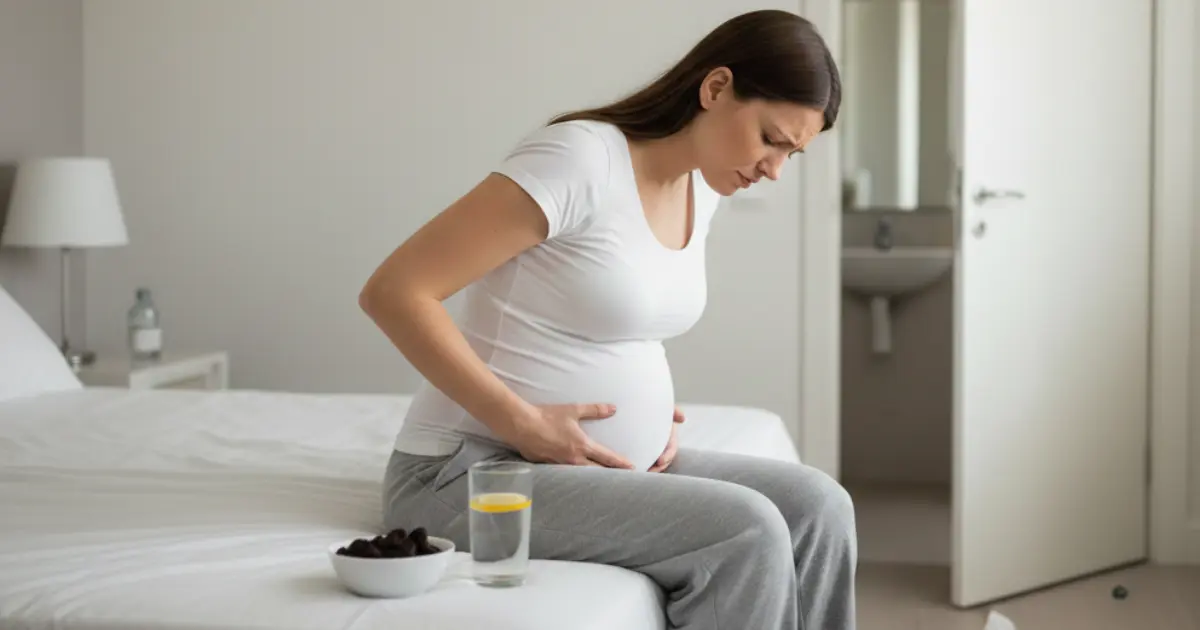
Feeling bloated, uncomfortable, and frustrated by pregnancy constipation? You are not alone, Mama. Constipation is one of the most common digestive issues during pregnancy. Hormonal changes, iron supplements, reduced activity, and your growing baby can all slow digestion and make bowel movements more difficult.
The good news is that prenatal yoga for constipation relief may offer a gentle and supportive way to feel more comfortable. Through pregnancy-safe yoga poses, mindful movement, and deep breathing, yoga may support healthy digestion, reduce stress, and encourage more regular bowel movements. Many pregnant women find that even 10 minutes of gentle prenatal yoga helps reduce bloating and supports greater daily comfort.
In my experience teaching prenatal yoga, many pregnant women feel less bloated and more comfortable when they combine gentle movement, hydration, and consistent daily practice. Results vary, but even short sessions often feel easier and more sustainable than longer workouts.
In this guide, you will learn the best prenatal yoga poses for constipation, important safety tips, and simple techniques to support constipation relief during pregnancy. Always check with your healthcare provider before starting any new exercise routine.
Why Pregnancy Causes Constipation
Does pregnancy cause constipation? Yes, constipation is a highly common symptom during pregnancy, affecting up to half of expectant mothers. It is primarily caused by hormonal changes that slow down digestion, prenatal vitamin supplements, and physical pressure from the growing uterus.
Higher progesterone levels may slow movement through the digestive tract, which can contribute to constipation during pregnancy. As food moves more slowly through the intestines, stools can become dry, hard, and difficult to pass.
Iron-rich prenatal vitamins may also contribute to constipation. While iron is essential for your baby’s growth, it can slow digestion and cause bloating or discomfort in some women. As your baby grows, the expanding uterus puts extra pressure on the intestines, making bowel movements even more challenging.
Stress, lack of physical activity, and not drinking enough water can make constipation worse. The good news is that gentle movement, deep breathing, proper hydration, and prenatal yoga for constipation relief can help support healthy digestion and make you feel more comfortable throughout pregnancy.
How Prenatal Yoga Helps Relieve Constipation
Prenatal yoga may help support comfortable digestion, reduce stress, and encourage regular bowel movements for some pregnant women. The slow movements and deep breathing may support comfortable digestion and relaxation while helping you move gently during pregnancy.
One reason yoga helps is that certain poses gently move and stretch the belly area. Poses like Cat-Cow, Bound Angle Pose, and Seated Side Stretch create a soft squeezing and releasing action around the intestines, which may help move waste through the body more easily and support regular bowel movements.
Yoga also helps improve blood flow. Good circulation supports healthy digestion and helps the digestive organs work better. As a result, many women notice less bloating, less discomfort, and easier trips to the bathroom after practicing regularly.
Another benefit is pelvic floor relaxation. During pregnancy, many women carry tension in these muscles without realizing it. A tight pelvic floor can make it harder to pass stool comfortably. Through gentle movement and slow breathing, yoga helps these muscles relax and let go.
Stress can also make constipation worse. When you feel worried or overwhelmed, your body goes into a stress response. In this state, digestion often slows down. Yoga helps calm the mind and activate the body’s natural “rest and digest” mode, allowing the digestive system to work more smoothly and efficiently.
That is why prenatal yoga is more than simple exercise. It supports your body, your mind, and your digestive health at the same time. With regular practice, prenatal yoga for constipation relief may help reduce bloating, ease discomfort, and make bowel movements feel more natural and comfortable.
Mama, your body is doing something amazing every day. Sometimes all it needs is a little movement, a few deep breaths, and some gentle care.
Prenatal Yoga for Constipation Relief
These poses are gentle and safe. They support digestion. They also calm the mind. Move slowly. Breathe softly. Never force the body.
1. Cat–Cow (Marjaryasana–Bitilasana)
Best trimester: All trimesters
How to do it:
- Come onto hands and knees. Hands under shoulders. Knees under hips.
- Inhale. Drop the belly. Lift the chest and tailbone.
- Exhale. Round the spine. Draw the belly in.
- Move slowly with the breath. Repeat 8–10 rounds.
Why it helps:
- This pose wakes up the spine. It gently shifts the internal organs.
- The gentle movement may support digestive comfort and natural movement through the digestive tract.
- Breathing with motion may also help the body relax and support comfortable digestion.
Pregnancy modifications: Keep movements soft. Do not force the belly in. Move within comfort. If wrists hurt, come onto fists or forearms.
2. Extended Child’s Pose (Balasana)
Best trimester: All trimesters (use props as the belly grows)
How to do it:
- Kneel on the mat. Open knees wide. Big toes touch.
- Sit back toward the heels.
- Reach arms forward. Rest chest between thighs.
- Breathe slowly for 5–10 breaths.
Why it helps:
- This pose calms the mind. It relaxes the belly and pelvic floor.
- Relaxation may help support comfortable digestion and help reduce feelings of stress and tension.
Pregnancy modifications: Always keep knees wide. Make space for the belly. Use a bolster or pillow under the chest for support.
3. Malasana (Garland Pose / Yogic Squat)
Best trimester: Second and third trimester only if comfortable
How to do it:
- Stand with feet wider than hips. Turn toes slightly out.
- Lower into a deep squat.
- Bring your hands to prayer at your heart.
- Keep chest lifted. Breathe deeply.
Why it helps:
- This pose is often recommended because it may support healthy bowel movements and help relax the pelvic floor.
- It opens the hips and pelvic floor.
- Gravity helps waste move downward naturally.
Pregnancy modifications: Place a block under the sit bones for support. Hold a wall or chair for balance. Do not strain. Comfort first.
4. Standing Forward Fold with Wide Legs (Uttanasana)
Best trimester: All trimesters (keep the fold gentle and allow space for the belly)
How to do it:
- Stand with feet wide apart.
- Inhale. Lift arms.
- Exhale. Fold forward from the hips.
- Let your head and neck relax. Hands rest on blocks or the floor.
Why it helps:
- Gravity helps release the lower back and belly.
- It reduces tension in the spine and hips.
- Relaxation may help the body feel calmer and support overall digestive comfort.
Pregnancy modifications: Always keep legs wide. Fold halfway if the full fold feels heavy. Rise slowly to avoid dizziness.
5. Puppy Pose (Uttana Shishosana)
Best trimester: All trimesters (modify depth for comfort)
How to do it:
- Come onto hands and knees.
- Walk hands forward. Keep hips above knees.
- Lower chest toward the mat.
- Rest your forehead on a block or mat.
Why it helps:
- This pose stretches the torso gently.
- It creates space around the organs.
- It calms the nervous system deeply.
Pregnancy modifications: Use blocks under the chest and head. Keep your belly free and relaxed. Avoid holding your breath.
6. Side Angle Pose (Parsvakonasana)
Best trimester: All trimesters (use a shorter stance and support if needed)
How to do it:
- Stand with legs wide. Turn your right foot out.
- Bend the right knee.
- Place the right forearm on the thigh.
- Reach left arm overhead. Create a long line.
Why it helps:
- This pose gently lengthens the side body and creates a feeling of openness through the waist and torso, which may help you feel more comfortable.
- This gentle side stretch may help you feel more open and comfortable through the waist and torso.
Pregnancy modifications: Keep your stance shorter. Use a block under the hand if needed. Avoid deep lunges. Stay steady.
7. Modified Triangle Pose (Trikonasana)
Best trimester: All trimesters (use a block and avoid overreaching)
How to do it:
- Stand with legs wide. Turn your right foot out.
- Extend arms out.
- Hinge at the hip. Place your right hand on a block or your thigh.
- Left arm lifts. Chest stays open.
Why it helps:
- This pose gently stretches the sides of the body and creates more space through the waist and abdomen. It may help reduce bloating and support comfortable digestion during pregnancy.
- It may support comfortable digestion without placing pressure on the abdomen.
- Some women also find it helps reduce feelings of tightness or bloating.
Pregnancy modifications: Keep the chest open and avoid reaching too far toward the floor. Use a block under your hand for extra support and balance.
8. Wind Relieving Pose – Modified (Pawanmuktasana)
Best trimester: First trimester and modified later pregnancy with upper-body support
How to do it:
- Sit supported or recline slightly with pillows behind your back, especially after the first trimester.
- Inhale.
- Exhale. Hug one knee toward the chest.
- Switch sides after 5 breaths.
Why it helps:
- This pose helps release trapped gas.
- The gentle position may help reduce feelings of tightness and support digestive comfort.
- Doing one leg at a time keeps it safe and effective.
Pregnancy modifications: Do one leg at a time only. Keep your head and shoulders relaxed. If lying flat is uncomfortable, prop up your upper body.
Medical Disclaimer: If you have placenta previa, cervical insufficiency, high blood pressure, preterm labor risk, or any pregnancy complication, speak with your healthcare provider before practicing yoga.
Final gentle reminder
Constipation during pregnancy is common, and many women experience it. Gentle movement, breathing, hydration, and rest may help you feel more comfortable.
Move slowly. Stay within your comfort level. Pay attention to how your body feels each day and stop if something does not feel right.
10-Minute Prenatal Yoga Routine for Constipation Relief
Short on time, Mama? This simple 10-minute routine combines some of the best prenatal yoga poses for constipation relief into one gentle flow. The movements help wake up the digestive system, reduce bloating, improve circulation, and encourage healthy bowel movements. Move slowly, breathe deeply, and never force your body into any position.
1. Cat-Cow Pose — 1 Minute: Move slowly between arching and rounding the spine. Match each movement with your breath to gently massage the intestines and encourage digestive movement.
2. Extended Child’s Pose — 1 Minute: Relax into the pose with your knees wide apart. Focus on slow, steady breaths to release tension in the belly, hips, and pelvic floor.
3. Puppy Pose — 1 Minute: Stretch the chest and torso while keeping the hips above the knees. This pose creates space through the abdomen and promotes relaxation.
4. Side Angle Pose — 1 Minute Per Side: Gently stretch the sides of the body and improve circulation. Keep your stance comfortable and avoid pushing too deeply.
5. Modified Triangle Pose — 1 Minute Per Side: Lengthen through the waist and side body. Use a yoga block for support if needed and keep the chest open.
6. Malasana (Garland Pose) — 2 Minutes: Use a block, cushion, or chair for support if necessary. This pose helps relax the pelvic floor and may encourage easier bowel movements.
7. Deep Breathing — 2 Minutes: Sit comfortably and take slow, deep breaths. Inhale through the nose and exhale slowly. Deep breathing helps calm the nervous system and supports the body’s natural “rest and digest” response.
This gentle routine can be practiced daily or whenever constipation feels uncomfortable. Even 10 minutes of mindful movement and breathing may help reduce bloating, support healthy digestion, and make bowel movements feel more comfortable during pregnancy. Listen to your body, move with care, and take breaks whenever you need them.
Critical Safety Guidelines
Safety always comes first in pregnancy yoga. Your body is changing every day. Gentle care protects you and your baby.
Avoid closed twists: Closed twists are twists toward the bent knee or across the belly. These compress the abdomen. This can reduce space and blood flow. Open twists are safer. Twist away from the front leg. Keep the chest open. This creates space for the belly and supports digestion without putting pressure on it.
No prone poses: Prone poses are poses done lying on the belly. These should be avoided in pregnancy. Pressure on the abdomen can be unsafe and uncomfortable. As the belly grows, these poses also strain the lower back. Always choose side-lying, seated, or upright poses instead.
Be careful lying on your back: In the second and third trimesters, lying flat can cause dizziness or nausea. This is called supine hypotensive syndrome. The weight of the uterus presses on major blood vessels. This can reduce blood flow. If you lie on your back, keep it short. Use a bolster or pillow to lift one side of the body.
Listen to your body: A good stretch feels gentle and steady. You can breathe through it. Sharp pain, pinching, or pressure is a warning sign. Stop right away if you feel it. Never push through discomfort. Pregnancy yoga is not about doing more. It is about doing what feels right. Move slowly and rest often. Mama, your comfort is the best guide.
Complementary Lifestyle Tips
Yoga works best when paired with supportive daily habits. These small, gentle adjustments can make a significant difference in how your digestion feels:
-
Hydration Matters: Dietary fiber requires plenty of water to do its job effectively. Without it, stool can become hard and difficult to pass. Sip water throughout the day, and consider starting your morning with a warm glass of water or a soothing herbal tea.
-
Choose Fiber-Rich Foods: Fiber adds necessary bulk and softness to your stool. Incorporate gentle, pregnancy-safe options like pears, apples, berries, spinach, carrots, and pumpkin. Whole grains, oats, chia seeds, and lentils are also excellent—introduce them gradually to avoid gas.
-
Try the Toilet Footstool Method: Some women find that placing a small footstool under their feet creates a more comfortable position for bowel movements and may reduce straining. Traditional toilets create a bend in the rectum that can restrict flow; placing a small stool under your feet lifts your knees, aligns the pelvis, and relaxes the pelvic floor for effortless elimination.
-
Ask About Magnesium: Magnesium naturally relaxes muscles and helps draw water into the bowel to soften stool. Always consult your healthcare provider to find the right type and dosage for your specific pregnancy needs.
What Experts Say About Movement During Pregnancy
The leading pregnancy health organization, the American College of Obstetricians and Gynecologists (ACOG), encourages regular, moderate physical activity during pregnancy when approved by your healthcare provider. Gentle movement, including prenatal yoga and walking, may support overall comfort, digestion, and well-being.
Prenatal yoga is not a treatment for constipation, but many women find that gentle movement, breathing, hydration, and supportive daily habits help them feel more comfortable.
When to Contact Your Healthcare Provider
Talk with your provider if constipation comes with:
- severe belly pain
- vomiting
- blood in stool
- No bowel movement for several days
- dizziness or dehydration
- worsening symptoms
Yoga should support comfort but should not replace medical care.
Conclusion
Small daily habits can make a real difference during pregnancy. Gentle prenatal yoga, combined with hydration, fiber-rich foods, and regular movement, may help support digestion and make constipation feel more manageable.
You do not need long sessions to feel the benefits. Even 10 minutes of mindful movement and breathing can help you feel more relaxed and comfortable. Focus on consistency rather than doing more.
Start simple. Roll out your mat, take a few slow breaths, and try one or two poses that feel good for your body today.
Every pregnancy is different, so listen to your body and follow the guidance of your healthcare provider before starting or changing your routine.
With patience, gentle care, and regular practice, prenatal yoga for constipation relief may help you feel lighter, calmer, and more comfortable throughout your pregnancy journey.