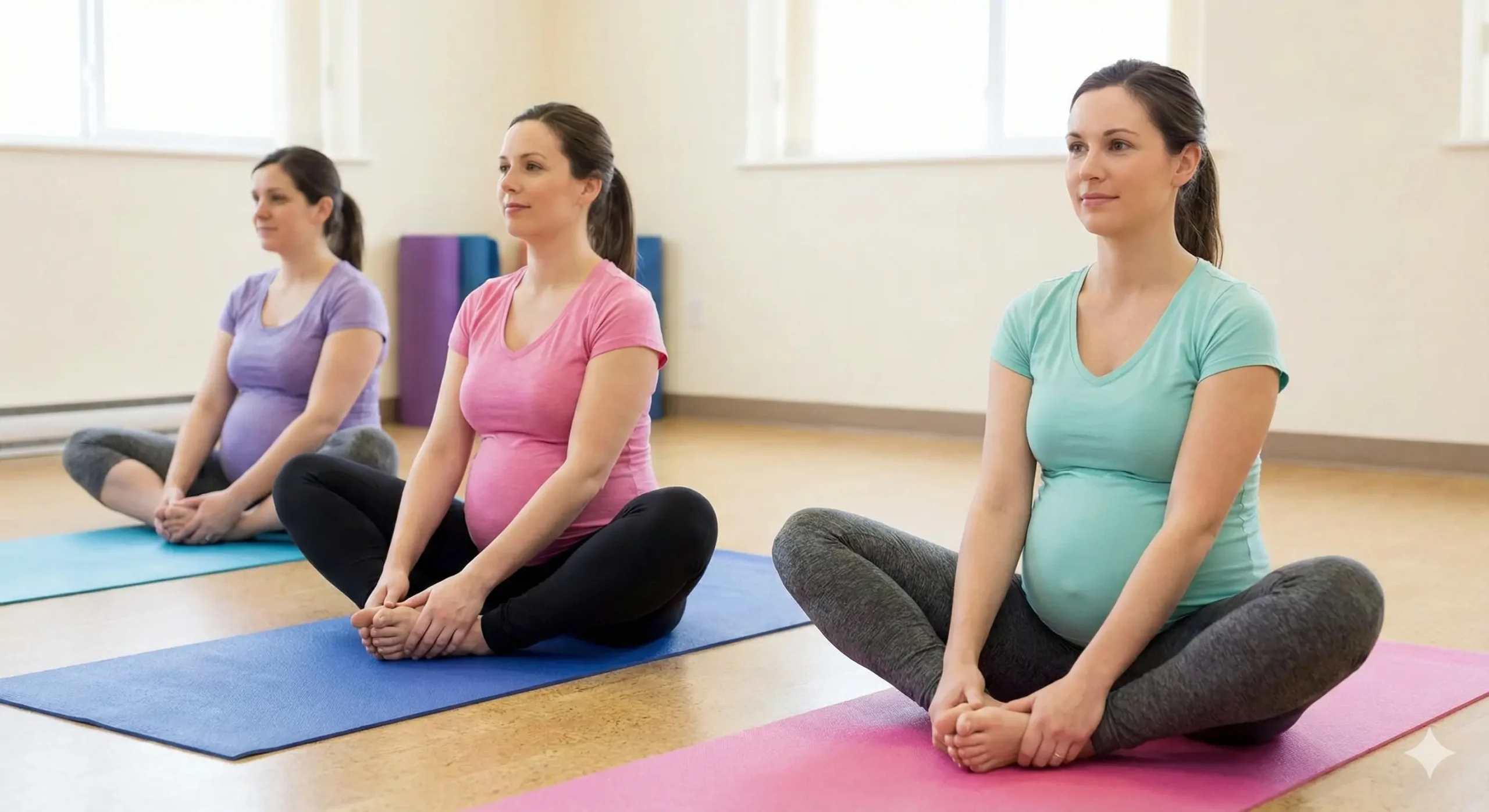
Pregnancy is a beautiful and life-changing journey. Your body feels new things every day. Your heart feels deeper emotions. And your mind often asks important questions. One of the most common questions is, is yoga safe during pregnancy?
The gentle truth is yes. When practiced the right way, yoga during pregnancy is safe, soothing, and deeply supportive. It helps your body stay strong. It calms your mind. It creates a peaceful bond between you and your baby.
In this guide, you will discover how prenatal yoga supports your changing body, eases common discomforts, and helps you feel confident and relaxed throughout your pregnancy. Mama, this is your time to feel safe, supported, and strong.
What Makes Prenatal Yoga Special
Prenatal yoga is made only for pregnant women. It is slow, soft, and safe. It respects your changing body. It does not push you. It supports you with love.
Physical Support from Prenatal Yoga
Prenatal yoga gently supports your body as it changes during pregnancy. It helps improve blood flow, which means more oxygen and nutrients reach both you and your baby. This better circulation can reduce swelling in your feet, ankles, and hands.
It also eases common pregnancy discomforts such as lower back pain, tight hips, and stiff shoulders. The slow and mindful movements keep your muscles active without putting stress on your joints.
Over time, your posture becomes more balanced, and daily movements like standing, walking, and sitting start to feel more comfortable and natural.
Mental and Emotional Support
Along with physical care, prenatal yoga also deeply supports your mind and emotions. It creates a quiet, safe space where you can slow down and simply breathe. As your breath becomes soft and steady, your nervous system begins to relax.
This gentle calming effect can reduce stress, fear, and feelings of overwhelm. Many mothers notice they sleep better and feel more emotionally stable after regular practice.
Most importantly, prenatal yoga helps build a beautiful emotional connection with your baby. In each slow breath and gentle stretch, you become more aware of your body and your growing little life.
These peaceful moments remind you that you are not alone. You and your baby are moving together, breathing together, and growing together in a calm and loving rhythm.
Always talk to your doctor or midwife before starting prenatal yoga. This keeps you and your baby safe.
Understanding Pregnancy and Yoga: How They Connect
Pregnancy changes your body in deep ways. Your hormones shift. Your joints become softer. Your belly grows and changes your balance. Your back carries more weight.
A hormone called relaxin makes your ligaments loose. This is helpful for birth, but it also makes it easy to overstretch. Your lower back curves more. Blood flow increases. This can cause swelling and tiredness. Prenatal yoga respects these changes and moves your body safely.
When you move with breath, your body feels supported. Your mind slows down. Your heart feels lighter. Yoga becomes a soft friend in your pregnancy journey.
How Yoga During Pregnancy Benefits You
Prenatal yoga gently supports your body. It builds strength in your legs and hips. It protects your spine. It opens your chest so breathing feels easier. It helps reduce swelling by improving circulation.
Mentally, yoga gives you a break from worry. Slow breathing tells your nervous system that you are safe. You move from stress mode to calm mode. This brings deep peace and better sleep.
Emotionally, yoga builds trust. You learn to listen to your body. You trust your instincts. You feel closer to your baby. You feel stronger inside, even on hard days.
Common Myths About Prenatal Yoga
Many women avoid yoga because of fear. But most of these fears are not true.
- Myth: Yoga Is Too Hard: Prenatal yoga is not fast or intense. It is not like power yoga. It is soft and slow. Each pose is adjusted for pregnancy.
- Myth: You Must Be Flexible: You do not need to be flexible. You do not need experience. Most women in prenatal classes are beginners. Teachers are trained to support pregnant bodies.
- Myth: Yoga Can Cause Early Labor: Safe prenatal yoga does not cause early labor. When done with care and doctor approval, it is safe for all trimesters. It can even lower stress that leads to early labor.
Is Prenatal Yoga Safe
Yes, prenatal yoga is safe. Very safe. The poses are gentle. The movements are slow. Everything is designed for pregnant bodies.
You should never push or stretch too far. A simple rule is this: if you can talk while doing a pose, you are safe. If you feel breathless, stop and rest.
You do not need any yoga background. Teachers guide you step by step. Always speak with your doctor before starting. When you get the okay, trust your body and step onto the mat with love.
Safety First: General Guidelines for Prenatal Yoga
Safety is always the priority. Prenatal yoga is about comfort, not performance.
- Listen to Your Body: Your body speaks to you every day. If something feels wrong, stop. Skip the pose. There is no “no pain, no gain” in pregnancy.
- Importance of a Trained Instructor: A certified prenatal yoga teacher understands your body. They know how to modify poses. They keep you safe and supported.
- Simple Safety Precautions: Avoid practicing in very hot rooms. Drink water before and after practice. Use blocks, straps, and bolsters for support. Make your stance wider as your belly grows. These small changes keep your body safe.
Poses You Should Avoid
Avoid upside-down poses like headstands. Skip deep closed twists that press the belly. Avoid deep backbends. After mid-pregnancy, do not lie flat on your back for long periods.
Yoga Poses by Trimester: A Gentle Guide
Your body changes every trimester. Your yoga should change with it.
First Trimester Yoga (Weeks 1–13)
This is the time of adjustment. You may feel tired or nauseous. Your yoga should feel very gentle.
In the first trimester, focus on grounding and soft strength. Standing poses like Warrior I and Warrior II can be done in short stances. Tree Pose can be practiced with wall support. These poses help you feel steady and calm.
Gentle floor poses like Cat–Cow warm up the spine and ease tension. Downward-Facing Dog can be done with bent knees or at the wall if you feel dizzy. Child’s Pose is excellent for rest and relief.
Pelvic tilts help support your lower back and pelvic floor. Use blocks and straps whenever needed. Avoid deep backbends. Avoid any pressure on your belly. Keep your breath slow and steady.
Second Trimester Yoga (Weeks 14–27)
This is often the most comfortable phase. Your energy may return. Your belly begins to grow.
During this trimester, focus on creating space and balance. Butterfly Pose gently opens the hips. Sitting on a folded blanket adds comfort. Modified Pigeon Pose can be supported with cushions or replaced with a seated Figure-4 stretch.
Supported Bridge Pose helps relieve lower back tension. Gentle open twists help your upper back without compressing the belly. Always twist away from the belly and move slowly.
Deep belly breathing becomes very important. It helps you relax, sleep better, and connect with your baby. Avoid lying flat on your back for long periods. Use props often. Keep your stance wide for balance.
Third Trimester Yoga (Weeks 28–Birth)
This stage is about preparation and surrender. Your body is getting ready for birth.
Supported standing poses like Warrior II and Triangle Pose help with circulation and strength. Use a wall or chair for balance. Do not lock your knees.
Seated poses like Easy Pose and supported cross-legged sitting help relax your hips and spine. Use bolsters and cushions for comfort.
Pelvic floor work becomes important now. Practice gentle Kegels, but also learn how to relax the pelvic floor. Supported Malasana (Yogi Squat) can help open the pelvis, but avoid it if the baby is breech or if you have pelvic pain or haemorrhoids.
Side-lying Savasana is the best way to rest. Lie on your left side with pillows between your knees and under your belly. Avoid fast movements. Focus on slow, deep breathing.
Special Conditions: How Yoga Can Help
Every pregnancy is different. Yoga can be adjusted for special needs.
- Gestational Diabetes: Gentle yoga can help manage blood sugar by improving circulation and reducing stress. Standing poses help muscles use glucose better. Avoid long periods of complete rest.
- Back Pain and Sciatica: As the belly grows, the back works harder. Cat–Cow, Child’s Pose, and pelvic tilts help a lot. Seated Figure-4 stretch can gently relieve sciatic pain. These poses improve posture and relax tight muscles.
- Round Ligament Pain: This sharp pain on the sides of the belly is common. Move slowly between poses. Avoid sudden movements. Gentle Cat–Cow with soft breathing can be soothing.
How to Add Prenatal Yoga to Daily Life
You do not need long sessions. Even 10 to 15 minutes a day can help.
You can practice small sequences at home. Gentle poses like Butterfly, supported Warrior II, and gentle squats can be done while watching TV or during breaks.
Side-lying Savasana can be done before sleep. Deep breathing during the day helps calm your mind and body.
The Role of Breath and Meditation
Breath is the heart of prenatal yoga.
Pranayama (Breathing Techniques)
Deep belly breathing helps reduce stress. It increases oxygen for you and your baby. Ujjayi breath creates a soft ocean sound that calms the mind. Golden Thread Breath, where you exhale slowly through soft lips, is very helpful for labor pain.
Meditation During Pregnancy
Meditation helps you connect deeply with your baby. It builds emotional strength. Even 5 minutes of silent sitting can bring peace. Guided meditations can help if your mind feels busy.
Frequently Asked Questions (FAQ)
Q: When should I start prenatal yoga?
You can start anytime. Many women feel best starting in the second trimester. Always ask your doctor first.
Q: Can I do yoga if I am a beginner?
Yes. Prenatal yoga is designed for beginners. You do not need any experience.
Q: Is hot yoga safe during pregnancy?
No. Avoid hot yoga. High heat can raise your body temperature and may be risky for your baby.
Q: How often should I practice?
Two to three times a week is good. Even 10 minutes every day is helpful.
Conclusion: Embrace Your Journey with Love
Prenatal yoga is a gentle gift you can give yourself. It builds strength in your body. It brings calm to your mind. It brings balance to your emotions.
It helps you handle discomfort. It prepares you for birth. It helps you feel closer to your baby.
Always listen to your body. Always talk to your doctor before starting. Move slowly. Breathe deeply. Trust yourself.
You are strong. You are safe. You are doing beautifully, Mama.