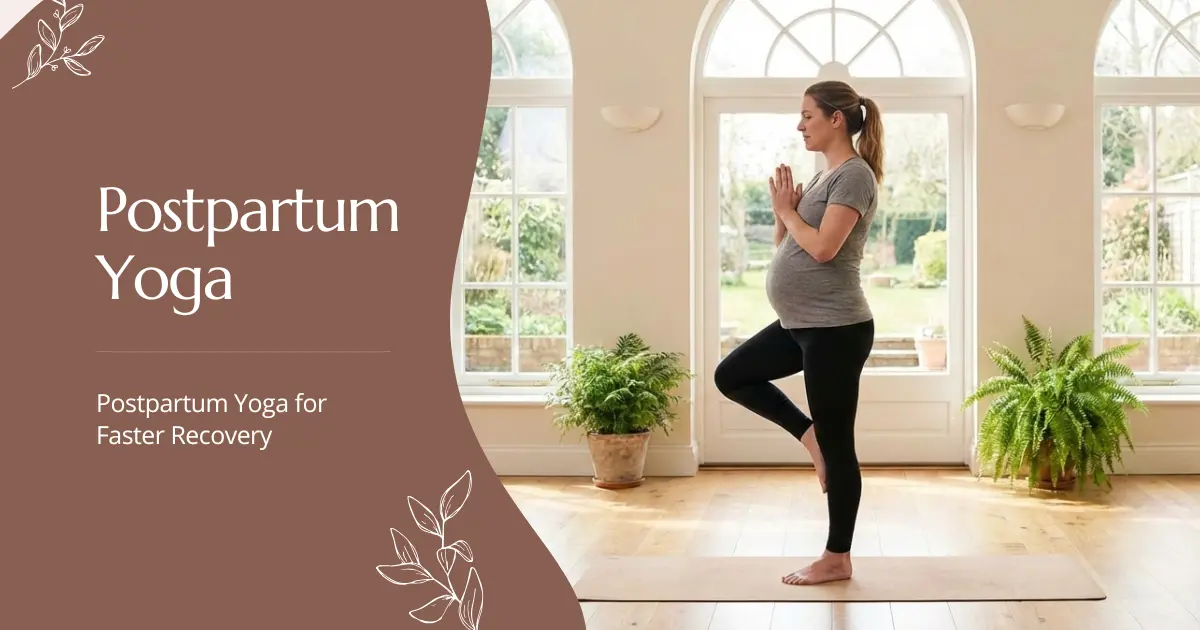
The weeks after birth are often called the fourth trimester. It is a time of big change. Your body feels unfamiliar. Your emotions rise and fall. Joy, fear, love, and tiredness can all exist at the same time. This physical and emotional whirlwind is real, and you are not alone in it.
Many women ask, What is postpartum yoga? It is important to know that postpartum yoga is not the same as regular yoga. It is a modified and carefully designed practice. It is based on how the body heals after pregnancy and birth. The goal is not flexibility or fitness. The goal is repair.
Postpartum yoga focuses on knitting the body back together. It supports the deep core, pelvic floor, posture, and nervous system. Movements are slow and mindful. Breathing guides every pose. Science and safety shape the practice.
This is why postpartum yoga is not about bouncing back. There is nothing to bounce back to. Your body has changed, and that is not a problem. The real goal is to move forward with a stronger, more stable foundation.
When practiced with care, postpartum yoga helps you feel supported, connected, and confident again. It meets you where you are and grows with you.
The Science of the Postpartum Body
After birth, your body does not return to normal overnight. Many deep changes are still happening inside. Understanding this helps you move with more care and patience.
During pregnancy, the uterus grows to support your baby. After birth, it slowly shrinks back to its original size. This process is called uterine involution. At the same time, organs that shifted to make space begin to move back. Ligaments that stretched to support pregnancy remain loose for a while. This is why the body can feel weak, unstable, or unfamiliar.
Hormones also play a big role. One key hormone is relaxin. Relaxin helps joints and ligaments soften during pregnancy and birth. The important thing to know is this. Relaxin stays in the body for months after delivery. If you are breastfeeding, it can stay even longer. This makes joints less stable and raises the risk of injury if yoga is too strong or aggressive. Gentle movement is much safer during this phase.
The nervous system is also affected by birth. Labor, delivery, and early motherhood can push the body into a constant “fight or flight” state. Poor sleep, stress, and new responsibilities keep the system alert and tense.
Yoga helps bring balance back. Slow breathing and mindful movement activate the parasympathetic nervous system. This is the “rest and digest” state. When the body feels safe, healing improves. Muscles relax. Hormones settle. Energy slowly returns.
This is why postpartum yoga should feel calming, not exhausting. When you understand what your body is going through, you can choose practices that support healing instead of rushing recovery.
Safety First: When Can You Start?
Many new mothers ask, when to start postpartum yoga? This is a smart and important question. Your body needs time to heal, and starting at the right moment keeps recovery safe and smooth.
After Vaginal Birth
After a vaginal birth, most women are cleared for gentle yoga around six weeks postpartum. However, breathing practices and soft pelvic floor awareness can often begin earlier, with your doctor’s approval. These early practices support healing without stressing the body. Strong poses should always wait until proper clearance.
After C-Section
For mothers searching for postpartum yoga C-section recovery, the timeline is different. A C-section is major surgery. The body needs extra care and patience. In the early weeks, focus on rest, breathing, and scar awareness only. Avoid any movement that stretches or pulls the incision area.
Active yoga practice after a C-section usually begins around eight to ten weeks, and only after medical clearance. Even then, movements should be slow and controlled. Core work must be gentle. Scar massage and soft mobility help the area heal before strength is added.
Warning Signs to Stop
It is also important to know when to stop. If you notice increased bleeding or heavier lochia, pause your practice. Dizziness, sharp pain, or pressure in the pelvis are warning signs. Coning or doming of the belly during movement means the core is not ready yet.
Remember, postpartum yoga should feel supportive, not draining. If something feels wrong, trust your body and stop. Healing happens when safety comes first.
Is Postpartum Yoga Safe? Expert Insight
Yes, postpartum yoga is safe when it is done with care and right guidance. This practice follows yoga therapy principles. It means every movement has a purpose. Poses are chosen to support healing, not to push the body. The focus is on breath, gentle strength, and awareness.
Medical clearance is very important. Always talk to your doctor or midwife before starting postpartum yoga. This is especially true after a C-section, heavy bleeding, or pelvic floor concerns. Clearance helps you begin with confidence and peace of mind.
This guide is based on real recovery science. It follows how the postpartum body heals. Anatomy guides the poses. Breath work supports the nervous system. Gentle strength helps the core and pelvic floor rebuild safely. Nothing here is rushed or forced.
This guide is written by a prenatal and postpartum yoga educator. The goal is simple. Help you heal safely, slowly, and with trust in your body.
The Big Three Postpartum Issues Yoga Can Help
After birth, many women face the same three challenges. They affect comfort, confidence, and daily movement. Understanding them helps you heal safely and wisely. This section is especially helpful if you are searching for real answers, not quick fixes.
Diastasis Recti: Healing Abdominal Separation
Diastasis recti is the separation of the two sides of the “six-pack” muscles. This happens as the belly stretches during pregnancy. After birth, the gap may remain. This can cause a soft belly, weak core, and back pain.
Many women make this worse without knowing it. Certain exercises increase pressure on the abdomen. Crunches, sit-ups, full planks, and deep backbends can push the muscles apart. These moves look strong, but they are not healing in early recovery.
The focus should be on the deep core muscle called the transverse abdominis. This muscle acts like a natural corset. Gentle yoga helps you reconnect to it through breath and slow movement. Simple actions like exhaling while drawing the belly inward and upward are very powerful.
Yoga for diastasis recti is about control, not force. When the deep core learns to work again, the body feels supported and stable. Over time, this helps the abdominal wall heal in a safe way.
Pelvic Floor Health After Birth
The pelvic floor changes a lot during pregnancy and birth. Some women have a weak pelvic floor, called hypotonic. Others have a tight pelvic floor, called hypertonic. Both can cause discomfort, leaks, or pain.
This is why “just do Kegels” is not always good advice. Tight muscles do not need more squeezing. They need relaxation. Weak muscles need gentle strength. Doing the wrong thing can delay healing.
Yoga teaches awareness first. In yoga, this connection is called Mula Bandha, or the root lock. It is not a hard clench. It is a soft, mindful lift that works with the breath.
Learning when to relax and when to engage is key. Gentle yoga helps you feel this balance. With time, the pelvic floor becomes responsive, not strained. This supports bladder control, posture, and confidence.
Mommy Posture and Upper Body Pain
Many new mothers develop what is often called “mommy posture.” Rounded shoulders, a forward head, and tight neck muscles are very common. Feeding, rocking, and carrying the baby all day shape the body this way.
This posture can cause neck pain, shoulder tension, and headaches. It also affects breathing and energy levels. Over time, it makes the body feel heavy and tired.
Yoga helps gently undo these patterns. Simple chest-opening poses, shoulder rolls, and upper-back movements bring balance back. Strengthening the upper back while stretching the chest helps you stand tall again.
Awareness matters too. Yoga teaches you to notice how you hold your body. Small changes in posture, done daily, reduce pain and improve comfort.
Postpartum Yoga Recovery: A Phase-by-Phase Guide
Postpartum recovery is a slow and gentle journey. Your body has done something amazing, and now it needs time, rest, and kind movement. This guide supports you step by step and is helpful for anyone looking for postpartum yoga poses for beginners.
Phase 1: The First 6 Weeks (Rest & Breath)
The first six weeks are all about healing. Your body is still recovering from birth, and your hormones are shifting every day. Feeling tired, emotional, or slow is very normal during this time.
This phase focuses on horizontal recovery. That means more lying down and less standing or moving. Rest is not laziness. Rest is part of healing.
Breathing is your main practice in this phase. Deep belly breathing calms your nervous system and gently supports pelvic floor recovery. Even a few minutes each day can make a big difference.
Gentle pelvic tilts can be done in bed. These small movements improve blood flow and reduce lower back stiffness. They should feel soft and easy, never forced.
Legs Up the Wall, also called Viparita Karani, is deeply calming. It helps reduce swelling in the legs and relaxes the mind. Use pillows for support and come out of the pose if you feel any discomfort.
Phase 2: Weeks 6–12 (Stability)
Once your doctor gives clearance, you can slowly add gentle movement. This phase is about reconnecting with your body, not pushing it. Everything should feel steady and controlled.
The main focus now is stability. You begin to reconnect your core and glutes, which support your spine and protect your pelvic floor during daily activities.
Bird-Dog is a great pose in this phase. It helps improve balance and coordination. Move slowly and keep your hips steady, even if the movement feels small.
Glute Bridges gently strengthen weak muscles in the hips and lower back. Lift only as high as feels comfortable, and focus on slow breathing rather than depth.
Cat-Cow improves spinal movement and releases tension from feeding, lifting, and holding your baby. Keep the movement gentle and stay within a pain-free range.
Phase 3: Months 3–6 (Building Strength)
By this stage, your body usually feels more stable. Your energy starts to return, and you may feel ready to build strength again safely and mindfully.
This phase focuses on gradual load-bearing. You slowly prepare your body for daily tasks and longer yoga sessions without strain.
Modified Sun Salutations are a good option here. Keep them slow and simple, and use props like blocks or a chair when needed.
Warrior II builds leg strength and balance while also boosting confidence. Keep your stance comfortable and avoid forcing depth.
Chair Pose strengthens the legs and glutes, helping with sitting, standing, and lifting. Hold for a few breaths and rest often.
Postpartum Yoga for Weight Loss: Myth vs Reality
Many new mothers search for postpartum yoga for weight loss and hope for fast results. This is very normal. After birth, the body feels different, and extra weight can feel frustrating. But yoga works in a quieter, deeper way. It is not about quick calorie burn. It is about healing first.
The reality is this. Yoga supports weight loss by calming your body. After childbirth, stress levels are often high. Poor sleep, emotional changes, and constant care can raise cortisol, the stress hormone. High cortisol is linked to belly fat storage. Gentle yoga lowers stress, helps the nervous system relax, and slowly supports fat loss from the inside.
Yoga also helps improve metabolism over time. Many poses build lean muscle in the legs, arms, and core. Muscle tissue burns more energy at rest than fat. This means your body learns to burn energy more efficiently, even when you are not exercising. This long-term effect is often stronger than only doing cardio.
Another quiet benefit is hormone balance. Certain yoga poses support gland health. Poses like Shoulder Stand are known to stimulate the thyroid, which helps regulate metabolism. However, this pose should only be done if your body feels strong and your doctor or yoga teacher says it is safe. For many postpartum women, gentle alternatives work just as well.
Postpartum yoga is not about forcing weight loss. It is about restoring balance. When stress lowers, hormones settle, and strength returns, weight loss happens naturally. Go slow. Trust the process. Your body will respond with time and care.
Mental Health After Birth: Yoga and the Baby Blues
Many new mothers experience mood changes after birth. Feeling sad, anxious, or overwhelmed is common. This is why many women search for yoga for postpartum depression as a gentle form of support. Yoga does not replace medical care, but it can deeply support emotional healing.
Yoga helps with emotional release. The hips are known to hold stress, tension, and stored emotions. Gentle hip openers, like a modified Pigeon Pose, can release tightness and bring up feelings in a safe way. Always use props and stay within comfort. There is no need to push. Slow breathing helps emotions move through without fear.
Community also matters during the postpartum period. Attending a yoga class, even once a week, helps reduce isolation. Being around other mothers reminds you that you are not alone. Shared energy, soft guidance, and simple conversation can lift heavy feelings in quiet ways. Home practice is helpful too, but connection adds extra healing.
Mindfulness is another powerful tool. Yoga teaches you to pause and breathe, even when sleep is broken and anxiety feels strong. Short practices help you stay present instead of overwhelmed. Over time, this awareness builds emotional strength and calm.
You are not weak for feeling this way. Support is healing. You deserve care too.
Mom and Baby Yoga: Gentle Bonding Through Movement
Many new mothers enjoy mom and baby yoga because it builds connection while supporting gentle movement. Practicing together helps you feel close to your baby while caring for your own body. It also turns yoga into a shared moment of calm and joy.
You can safely include your baby in simple poses. During gentle push-up lowers, you can place your baby on the mat and lower yourself slowly to give soft kisses. In a supported Goddess Squat, you can hold your baby close to your chest and move with your breath. These movements are slow, loving, and grounding.
Safety always comes first. Your baby’s neck and head must be fully supported at all times. Move slowly and avoid any sudden transitions. If your baby seems uncomfortable or fussy, pause or stop the practice.
Mom and baby yoga is not about perfect poses. It is about presence, touch, and trust. These shared moments help both of you feel calm, connected, and safe.
Postpartum Yoga: A Gentle Conclusion for Your Healing Journey
Postpartum recovery is a marathon, not a sprint. Your body needs time to heal, rebalance, and grow strong again. Yoga supports this journey in a gentle and lasting way. It helps your body, your mind, and your emotions move forward together.
Always consult your doctor before starting any postpartum yoga practice. This step keeps you safe and confident as you begin. Start slow, listen to your body, and rest when needed.
If you would like extra support, download a simple postpartum yoga checklist or a short beginner routine to guide your practice. Small, steady steps bring real healing. You are not behind. You are right on time.