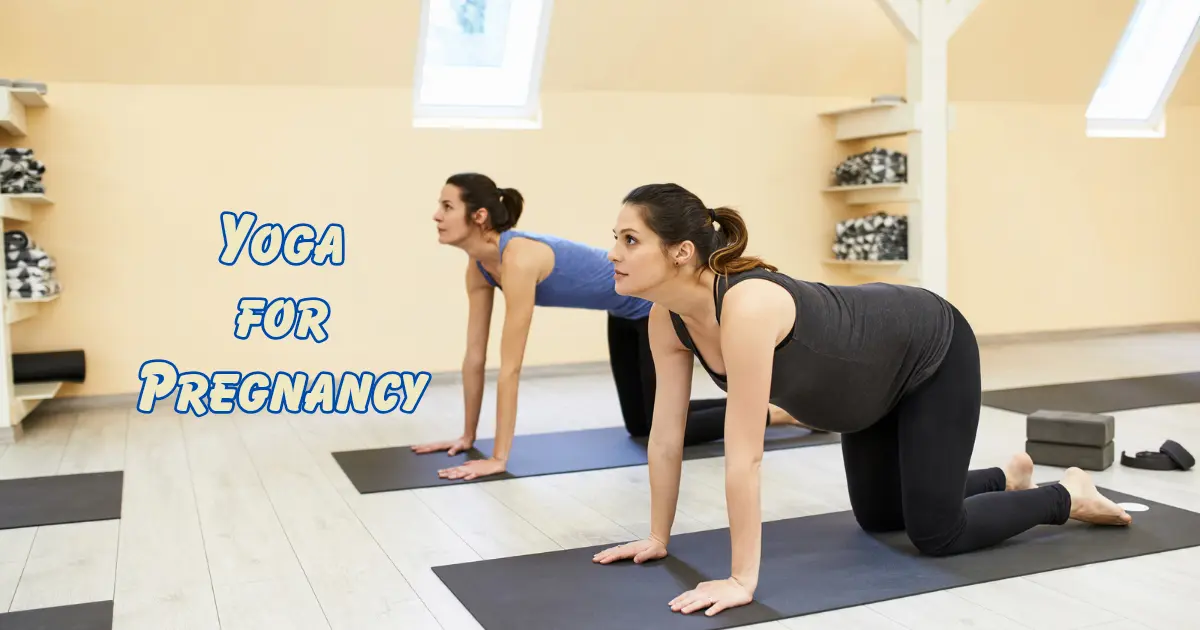
Did you know that almost one third of expectant moms experience back pain, poor sleep, or stress during pregnancy? Mama, you are not alone in this. Your body is changing, your mind is busy, and rest can feel out of reach. This is where yoga for pregnancy: key benefits and precautions comes in. It offers gentle support, strength, and peace while keeping both you and your baby safe.
Introduction: Why Prenatal Yoga is Essential
Yoga is becoming more and more loved, especially by moms-to-be who want peace and strength. But a gentle question comes up, “Is yoga safe during pregnancy?” The answer is not always simple. Prenatal yoga can bring comfort, ease pain, and calm your mind. Yet, like all things in this special time, it needs care and awareness. In this guide, we’ll walk together through the safe side, the benefits, and the cautions of prenatal yoga. Mama, you’ve got this.
Your body is changing every day, and yoga can be a kind companion in that journey. The stretches open space for your growing belly, the breathing slows down busy thoughts, and the movements prepare you for birth. When done with care, yoga feels like a gift to both you and your baby. It is not about pushing harder, but about moving gently and listening deeply.
Still, safety always comes first. Some poses may not be right for pregnancy, and every trimester has its own needs. That’s why guidance matters—whether from a skilled teacher, trusted resources, or simply your own body’s signals. With the right choices, prenatal yoga becomes more than exercise—it becomes a way to connect, heal, and prepare with love.
Key Benefits of Prenatal Yoga for Pregnancy
Prenatal yoga is a gentle gift for expectant moms. By doing parental yoga, the body grows stronger and more flexible, while also bringing calm to the mind and heart. This practice supports balance, peace, and comfort during pregnancy. Prenatal yoga nurtures your strength, eases your stress, and guides you through this special journey.
Physical Benefits: Strength, Pain Relief, and Labor Preparation
Prenatal yoga offers gentle yet powerful support. It helps your body adjust to the many changes of pregnancy. Each posture is designed with care, making it safe and effective for moms-to-be. Let’s explore the physical benefits step by step.
- Enhanced Strength and Flexibility: Your body carries more weight during pregnancy. This can sometimes feel heavy on your back, legs, and core. Prenatal yoga helps build strength in these areas. Simple poses keep your muscles active and strong. At the same time, gentle stretches improve flexibility. This balance of strength and softness makes daily movement easier and supports endurance as pregnancy progresses.
- Relief from Back Pain and Aches: Many mothers experience lower back pain, hip, or shoulder discomfort. These aches result from changes in posture and increased weight. Prenatal yoga offers safe stretches that target these problem areas, helping to release tightness and improve alignment. Practicing regularly can ease pain and prevent it from returning.
- Better Circulation and Less Swelling: Swelling in the feet, hands, or ankles is common because circulation slows during pregnancy. Prenatal yoga encourages blood flow through the whole body. Breathing and movement also support lymphatic drainage. With better flow, swelling is reduced, and your baby receives steady oxygen and nutrients.
- Preparation for Labor and Birth: Prenatal yoga prepares you for the big day. Breathing exercises practiced on the mat can be used during labor to calm the mind and help manage pain. Key focus on the pelvic floor muscles helps make delivery smoother and supports recovery after birth.
Prenatal yoga is a gift of care for your body. It helps you feel strong, flexible, and supported. Each pose is gentle, yet deeply effective. Mama, your body is doing something amazing—prenatal yoga simply walks beside you on this journey.
Mental and Emotional Benefits: Stress Reduction and Better Sleep
Pregnancy is a beautiful journey, but it also brings emotional ups and downs. Prenatal yoga gives gentle support for mental and emotional well-being. It creates space for calm, balance, and deeper connection.
- Stress Reduction and Relaxation: Worries about health, labor, or daily tasks may cause stress. Prenatal yoga offers a safe pause. Gentle breathing and mindfulness bring you back to the present moment, lowering stress hormone levels. This quiet space feels like a sanctuary, where calm naturally flows in.
- Improved Sleep Quality: Sleep is often disturbed during pregnancy. Prenatal yoga supports better sleep by easing tension in the body. Gentle stretches release tight muscles, and breathing practices calm restless thoughts. This combination prepares your body and mind for deeper rest.
- Relief from Anxiety and Low Mood: Hormonal changes can sometimes bring mood swings, anxiety, or depression. Prenatal yoga has been shown to lift mood naturally. The movements release endorphins (your body’s own happy hormones), and breathing helps quiet racing thoughts, building emotional steadiness.
- Deeper Awareness and Baby Connection: Mindful breathing brings attention inward, helping you feel each change more clearly. Movements are slow and intentional, making you aware of your body’s wisdom. This awareness strengthens the bond with your baby, fostering a gentle conversation without words.
The mental and emotional benefits of prenatal yoga are powerful. Stress eases, sleep improves, and mood feels lighter. Most of all, it nurtures connection—with your body, your breath, and your baby. Mama, you deserve this calm.
Essential Precautions and Safety Guidelines
Prenatal yoga is gentle and rewarding, but safety should always come first. With mindful practice and the right guidance, prenatal yoga becomes safe, supportive, and deeply nourishing. Here are some key safety tips to keep in mind.
- Consult Your Healthcare Provider: Before starting any new practice, talk to your doctor or midwife. Every pregnancy is unique, and this step ensures prenatal yoga is right for you, giving you peace of mind.
- Choose a Qualified Instructor: Look for a trained prenatal yoga instructor. They understand how to guide pregnant women safely, offering modifications, props, and gentle support to make every pose comfortable and safe.
- Listen to Your Body: Pregnancy is not the time to push hard. Notice signals of discomfort, strain, or fatigue. If a pose feels wrong, stop right away. Respecting your limits keeps you safe and steady.
- Stay Hydrated: Water is your friend during pregnancy. Keep a bottle nearby in class or at home. Proper hydration supports your body and helps prevent dizziness or overheating.
- Modify Poses as You Grow: Your body changes month by month. Use props like bolsters, blocks, and straps for support. Modify poses to create more space for your belly. Safe adjustments make practice easier and more enjoyable.
Prenatal yoga is not about perfection. It’s about care, awareness, and gentle strength. By following these safety tips, you reduce risks and increase benefits. Mama, trust your body and move with love.
When to Start: Yoga Guidelines by Trimester
Knowing when and how to adapt your practice across the nine months is vital for safety.
- First Trimester (Weeks 1–12): This period is often marked by fatigue and nausea. It is best to stick to restorative poses, gentle breathing (pranayama), and meditation. Avoid challenging poses, twists, and any exercise that raises your core temperature. Always prioritize rest.
- Second Trimester (Weeks 13–27): Often called the “sweet spot” of pregnancy, many moms feel a burst of energy here. This is the ideal time for active prenatal yoga practice, focusing on strength, posture, and balance. This is when you must stop lying flat on your back.
- Third Trimester (Weeks 28–40): The focus shifts to preparing for birth. Concentrate on hip-opening poses (like Malasana with support), deep, calming breathwork for labor, and modified Savasana (always side-lying with props) for deep rest.
Poses to Avoid During Pregnancy (Trimester by Trimester)
Prenatal yoga is gentle and supportive, but not every pose is safe for pregnancy. Knowing which poses to avoid helps you stay safe while still enjoying the benefits of yoga.
- Deep Twists: Strong twisting poses press into the belly. This is not safe during pregnancy. Instead, choose gentle twists that open the chest and shoulders, keeping your abdomen relaxed and spacious.
- Intense Backbends: Deep backbends, like full wheel or deep cobra, strain the lower back and core. Safer options include gentle supported bridge pose or small, heart-opening stretches.
- Lying Flat on Your Back (After Trimester 1): Avoid lying flat for long periods. This position can press on the vena cava, a key blood vessel, and reduce blood flow. Use bolsters or pillows to lift your chest, or rest on your side instead.
- Inversions: Headstands, shoulder stands, and other upside-down poses may cause falls or dizziness. Unless guided carefully with strong support, it’s best to skip them.
- Hot Yoga: High heat is risky for both mom and baby. It may cause overheating or dehydration. Choose a cool, well-ventilated space instead. Gentle, calming yoga works best during this time.
Prenatal yoga is about safety, care, and comfort. By avoiding these poses, you protect both yourself and your baby. Always listen to your body and ask your healthcare provider if you feel unsure.
Safe Modifications for Common Prenatal Yoga Poses
Yoga during pregnancy is about support, not strain. By making gentle modifications, you can enjoy the benefits of yoga while staying safe and comfortable. Props like blocks, bolsters, straps, and chairs become your best friends.
- Downward-Facing Dog (Adho Mukha Svanasana)
- Modification: Place your hands on blocks or a study chair. This eases pressure and creates more space. Take a shorter stance, and keep knees bent if needed.
- Triangle Pose (Trikonasana)
- Modification: Use a block or chair under your lower hand. Take a wider stance for comfort. Keep the belly relaxed and avoid pushing too far.
- Warrior II (Virabhadrasana II)
- Modification: Shorten your stance slightly. Use a chair or wall for balance if needed. Keep your torso upright and your front knee softly bent. Gently engage the core to support your back.
- Cat-Cow Pose (Marjaryasana–Bitilasana)
- Modification: Place hands on blocks if wrists feel sore. Move slowly and breathe deeply. Spread knees wider than usual to make space for the belly.
- Child’s Pose (Balasana)
- Modification: Spread knees wide apart to make room for the bump. Place a bolster or pillows under your chest for support. This keeps the pose soft, safe, and restful.
- Seated Forward Fold (Paschimottanasana)
- Modification: Sit with legs apart (instead of together). Place a bolster on your thighs and fold gently forward over it. Keep the spine long and focus on relaxation.
- Bridge Pose (Setu Bandhasana)
- Modification: Place a bolster or block under your hips for supported rest. Keep the lift gentle and avoid straining the belly.
- Squat Pose (Malasana)
- Modification: Sit on a block or bolster to support your hips. Keep feet wide for balance. Use the wall or hold a chair for stability. This makes the pose safer and more comfortable for hip opening.
- Pigeon Pose (Eka Pada Rajakapotasana – Modified)
- Modification: Use a bolster or pillows under your front hip and chest to reduce pressure. Or choose reclined pigeon (lying on the back with ankle over opposite thigh).
- Savasana (Final Resting Pose)
- Modification: Rest on your left side with pillows between your knees and under your head. Hug a bolster for comfort. This side-lying rest is deeply relaxing and safe for you and your baby.
Mama, remember: gentle is powerful. These modifications allow you to enjoy yoga fully, safely, and with love.
When to Avoid Prenatal Yoga: High-Risk Pregnancies and Red Flags
While prenatal yoga can offer many benefits, certain situations call for extra caution or complete avoidance.
High-Risk Pregnancies
Women with high-risk pregnancies, such as those diagnosed with preeclampsia (high blood pressure) or placenta previa (placenta covering the cervix), should approach yoga with great care. These conditions can make physical activity risky. Women with these or other high-risk conditions must consult their healthcare provider before engaging in any form of exercise.
Specific Symptoms (Red Flags)
Even in low-risk pregnancies, certain symptoms should prompt immediate cessation of yoga and a consultation with a healthcare provider:
- Dizziness or Nausea: Could indicate low blood pressure or dehydration.
- Bleeding: Whether light spotting or heavier flow, this is a serious sign that needs immediate evaluation.
- Sharp or Persistent Pain: Any pain, particularly in the abdomen, back, or pelvis that doesn’t subside with rest, should be taken seriously.
Listening to your body and recognizing these symptoms is crucial for maintaining a safe prenatal exercise routine.
Finding a Qualified Prenatal Yoga Instructor and Class
Choosing the right prenatal yoga class is crucial for ensuring both safety and enjoyment during your pregnancy.
Things to Look For
- Experienced Instructors Trained in Prenatal Yoga: The expertise of the instructor is paramount. Look for instructors who have specific training and certification in prenatal yoga.
- Classes Specifically Designed for Pregnant Women: Ensure that the classes are tailored to the unique needs of pregnant women, focusing on gentle stretches, strength-building, and relaxation.
- A Welcoming and Supportive Environment: The atmosphere should foster a sense of community and offer a safe space for you to share your pregnancy journey.
- Necessary Props: The studio or platform should encourage or provide the use of props (Yoga Mats, blocks, bolsters, and straps).
Where to Find Classes
- Yoga Studios: Many studios offer specialized prenatal yoga classes with experienced instructors.
- Community Centers: Local community centers frequently provide accessible and often lower-cost prenatal yoga classes.
- Online Platforms: Numerous reputable platforms offer virtual prenatal yoga classes, allowing you to practice from the comfort of your home.
Safe Alternatives to Prenatal Yoga
While prenatal yoga is highly beneficial, other safe and effective exercises for pregnant women can enhance physical and mental well-being.
- Walking: A low-impact exercise that promotes cardiovascular health without putting undue stress on the joints.
- Swimming: Swimming and water aerobics are excellent, offering a full-body workout where the buoyancy of the water alleviates pressure on the joints and reduces swelling.
- Low-Impact Aerobics: Classes tailored for pregnant women provide a safe way to improve cardiovascular health and maintain muscle tone, avoiding high-intensity movements.
- Strength Training (with Modifications): Helps build and maintain muscle mass. Use lighter weights, focus on proper form, and avoid heavy lifting or lying flat on the back.
Conclusion
When practiced correctly, prenatal yoga is a powerful tool for enhancing the well-being of both mother and baby. It enhances physical strength, alleviates discomforts, and prepares the body and mind for labor and delivery.
The key to safely reaping these benefits lies in listening to your body and making informed decisions. Always consult with your healthcare provider before starting any new exercise regimen. It is equally important to choose a qualified prenatal yoga instructor who can guide you through appropriate modifications and offer a supportive environment.
By integrating prenatal yoga into your routine, you can nurture both your body and mind, paving the way for a healthier, more enjoyable pregnancy journey.
Frequently Asked Questions (FAQ)
Q: Is all yoga safe during pregnancy?
A: No. You should only practice prenatal yoga which is specifically designed for expectant mothers. You must avoid hot yoga (like Bikram) and standard classes that don’t offer proper modifications.
Q: When should I stop lying flat on my back during yoga?
A: After the first trimester (around week 12), you should avoid lying flat on your back (supine position) for extended periods. This is because the weight of your uterus can press on the vena cava, a major blood vessel, which can restrict blood flow. Always opt for side-lying or supported semi-reclined positions instead.
Q: Do I need special equipment for prenatal yoga?
A: You don’t need special equipment, but props are essential for safety and comfort. A yoga mat, blocks, straps, and especially a bolster or large pillows are highly recommended to support your growing body and create space for the baby.