
Looking for the best eco-friendly yoga mat for your practice? You’re not alone. Many yoga lovers want a mat that feels comfortable, lasts for years, and is better for the planet. The good news is that today’s eco-friendly yoga mats offer excellent grip, cushioning, and durability without relying on harmful materials like PVC.
We carefully researched and compared the top eco-friendly yoga mats available this year. Experts considered key factors such as material quality, sustainability, comfort, grip, thickness, durability, and overall value. Whether you practice gentle yoga at home, hot yoga in a studio, or daily meditation, you’ll find an option that fits your needs.
Below are our top 16 picks for the best eco-friendly yoga mats, including natural rubber, cork, jute, and other sustainable choices that support both your practice and the environment. Looking for the best eco-friendly yoga mat in 2026? The best options combine natural materials, a strong grip, comfortable cushioning, and long-lasting durability without harmful PVC chemicals.
After researching materials, customer reviews, sustainability practices, and performance, we found the Manduka eKO Lite, Jade Harmony, and Liforme Original to be the top choices for most yoga practitioners.
What Makes a Yoga Mat Truly Eco-Friendly?
Exploring yoga, I learned that an eco-friendly yoga mat is more than a tool. It shows our values and care for the planet.
When looking for an eco-friendly yoga mat, many things matter. The materials, how it’s made, and its environmental impact are key.
- Materials to Look For: Eco-friendly yoga mats use materials that are kind to the earth. Look for mats made from natural rubber, organic cotton, or recycled materials. These are good for the planet and for you.
- Materials to Avoid: Some materials are bad for eco-friendly yoga mats. PVC and other harmful materials can hurt the environment and your health. Choose PVC-free mats for a safer practice.
- Certifications That Matter: Certain certifications help you trust an eco-friendly yoga mat. Look for mats with GOTS (Global Organic Textile Standard) or Oeko-Tex certifications. These ensure the mat meets high environmental and health standards.
At Tune Healthy, we care about our customers and the planet. Choosing an eco-friendly yoga mat improves your practice and helps the future.
Key Factors to Consider When Buying an Eco-Friendly Yoga Mat
As a yoga lover, picking an eco-friendly yoga mat is important. You need to think about a few key things. These help make sure the mat is good for you and the planet.
- Thickness and Cushioning: A great yoga mat should be comfy for your joints. Look for one that’s the right thickness. This is important for restorative or yin yoga.
- Grip and Texture: For a safe practice, a textured mat is best. This is true for hot yoga. Mats made from cork or natural rubber work well.
- Durability and Longevity: A good, eco-friendly mat lasts a long time. Choose mats from quality, green materials. They should handle regular use and cleaning well.
- Weight and Portability: If you carry your mat around, think about its weight. Light mats made from recycled stuff are easy to carry.
Keep these points in mind to find the right eco-friendly yoga mat. Whether you need safe mats for sensitive skin or non-toxic ones for hot yoga. Check out tunehealthy.com for top picks on cork and recycled mats.
The 16 Best Eco-Friendly Yoga Mats of 2026
Exploring the best eco-friendly yoga mats of 2026 is key. Yogis want mats that are good for their practice and the planet. We’ll look at the top 16 mats for quality, sustainability, and performance.
1. Manduka eKO Lite
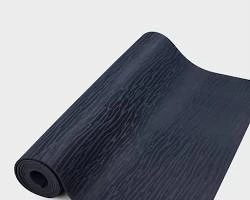
The Manduka eKO Lite is loved for its eco-friendly materials and grip. It’s made from natural tree rubber. This makes it biodegradable and great for yoga.
Pros:
- Made from natural tree rubber
- Biodegradable and sustainable
- Non-slip surface
- Lightweight
- Easy to carry
- Easy to clean
Cons:
- Strong rubber smell at first
- Not ideal for hot yoga
Features: Closed-cell surface resists moisture. It’s totally free from harmful chemicals. Lightweight and eco-friendly.
Price: Around $90 (USD) Buy: Available on Amazon
2. Jade Harmony Professional
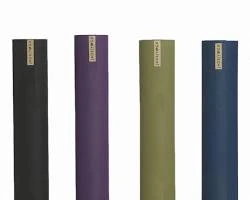
The Jade Harmony Professional yoga mat is a top-notch and eco-friendly yoga mat. It’s made from natural rubber. This gives it great grip and durability.
Pros:
- Durable material
- Excellent grip
- Eco-conscious production
- Long-lasting
- Good cushioning
- Trusted brand
Cons:
- A bit heavy
- Needs breaking in
Features: Textured surface, non-toxic materials, and long-lasting with proper care.
Price: Around $85 (USD) Buy: Available on Amazon
3. Liforme Original Eco-Friendly Yoga Mat

Why is it worth almost double the price? Liforme’s Original Mat uses natural rubber and eco-polyurethane. It offers unmatched grip and alignment markers.
Pros:
- Amazing grip
- Made with eco-materials
- Alignment lines
- Large size
- Biodegradable
- Sweat-friendly
Cons:
- Expensive
- Heavier than others
Features: Made from biodegradable materials. Comes with yoga alignment markers. Eco-friendly ink is used.
Price: Around $150 (USD) Buy: Available on Amazon
4. Cork Yoga Mat by Yoloha
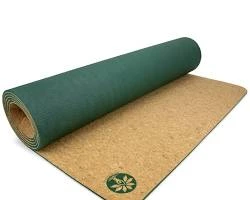
The Cork Yoga Mat by Yoloha is made from natural cork and rubber. It offers a unique texture and eco-friendly benefits.
Pros:
- The cork surface is antimicrobial
- Non-slip when wet
- Recyclable materials
- Lightweight
- Vegan-friendly
- Durable
Cons:
- Less cushion
- Not ideal for carpet floors
Features: Cork top with rubber base. Chemical-free. Easy to clean.
Price: Around $85 (USD) Buy: Available on Amazon
5. Jade Yoga Voyager
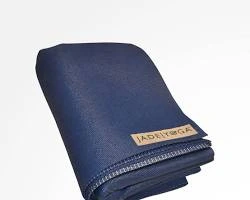
The Jade Yoga Voyager is a travel-friendly, eco-friendly yoga mat. It’s made from natural rubber.
Pros:
- Folds easily
- Very lightweight
- Good grip
- Made from natural rubber
- Travel size
- Eco-conscious brand
Cons:
- Thin padding
- Not for daily practice
Features: Folds to fit in a backpack. Ideal for travelers. Made in the USA.
Price: Around $45 (USD) Buy: Available on Amazon
6. Hugger Mugger Para Rubber
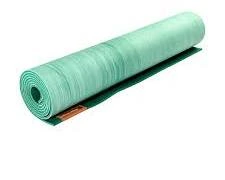
The Hugger Mugger Para Rubber mat is known for its para-rubber construction. It provides a durable and grippy surface.
Pros:
- Natural rubber
- Non-slip surface
- Thick and cushioned
- Great for all yoga styles
- Long-lasting
- No PVC
Cons:
- Heavier mat
- Needs airing out
Features: Two-sided design. Natural materials. Thick surface for joints.
Price: Around $90 (USD) Buy: Available on Amazon
7. Yogasana Cotton Yoga Mat
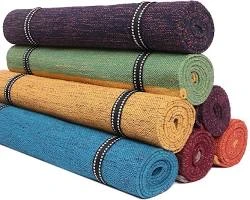
The Yogasana Cotton Yoga Mat is eco-friendly. It’s made from natural cotton, perfect for a natural feel.
Pros:
- 100% cotton
- Machine washable
- No smell
- Handmade in India
- Good traction
- Long lifespan
Cons:
- Needs a base mat for grip
- Less cushion
Features: Cotton weave, eco-dyes, folds easily, and feels natural.
Price: Around $75 (USD) Buy: Available on Amazon
8. Barefoot Yoga Original Eco Yoga Mat
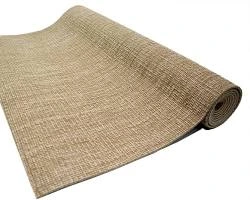
The Barefoot Yoga Original Eco Yoga Mat is eco-friendly. It provides excellent grip for yoga.
Pros:
- Natural rubber and jute
- Good grip
- PVC-free
- Stable on all surfaces
- Unique texture
- Long-lasting
Cons:
- A bit rough for sensitive skin
- Smell fades with time
Features: Non-slip jute surface. Durable and biodegradable.
Price: Around $70 (USD) Buy: Available on Amazon
9. Prana Revolution Natural Sticky Mat
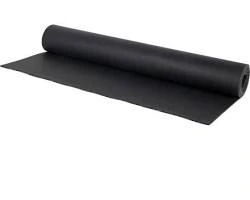
The Prana Revolution Natural Sticky Mat is made from natural rubber. It’s known for its sticky surface and eco-friendly production.
Pros:
- Natural material
- Excellent grip
- Eco-safe production
- Extra long and wide
- Thick and comfy
- No harmful chemicals
Cons:
- Heavy to carry
- Hard to roll up
Features: Made from biodegradable rubber. Great size for tall users.
Price: Around $95 (USD) Buy: Available on Amazon
10. Gaiam Performance Cork Yoga Mat

The Gaiam Performance Cork Yoga Mat combines cork and rubber. It offers a unique, eco-friendly yoga experience.
Pros:
- Cork surface resists bacteria
- Good for hot yoga
- Recyclable
- Lightweight
- Affordable
- Anti-odor
Cons:
- May slide on tile floors
- Not very thick
Features: Cork top layer. Rubber bottom. Sustainable design.
Price: Around $60 (USD) Buy: Available on Amazon
11. Lululemon Take Form Yoga Mat

Lululemon’s Take Form Yoga Mat is designed for performance and sustainability. It has a reversible design.
Pros:
- Eco-friendly foam
- Textured for alignment
- Stylish look
- Easy to clean
- Comfortable
- Great traction
Cons:
- Expensive
- May wear with time
Features: Reversible sides. 3D alignment markers. Made with FSC-certified rubber.
Price: Around $128 (USD) Buy: Available on Amazon
12. Manduka GRP Hot Yoga Mat
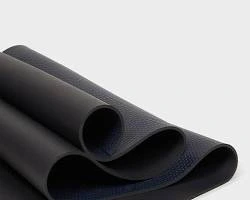
The Manduka GRP Hot Yoga Mat is for hot yoga. It’s made from eco-friendly materials for excellent grip.
Pros:
- Superb grip in sweat
- Odor control
- Eco-safe production
- Cushion support
- Good size
- Durable
Cons:
- Heavy
- Higher price
Features: Absorbent top. Charcoal-infused core. Designed for hot yoga.
Price: Around $130 (USD) Buy: Available on Amazon
13. Sugamat Recycled Wetsuit Yoga Mat
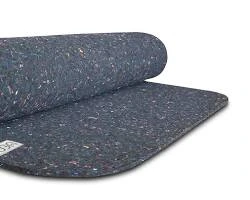
The Sugamat Recycled Wetsuit Yoga Mat is made from recycled wetsuit material. It offers a sustainable and grippy yoga practice.
Pros:
- Unique recycled material
- Non-toxic
- Good cushioning
- Grippy surface
- Fun designs
- Plastic-free packaging
Cons:
- Limited availability
- Slight rubber smell
Features: Made from old wetsuits. Eco-packaged. Water-based inks.
Price: Around $80 (USD) Buy: Available on Amazon
14. Scoria Cork Yoga Mat

The Scoria Cork Yoga Mat is crafted with natural cork. It provides a sustainable and comfortable yoga practice.
Pros:
- Non-slip when wet
- Anti-microbial
- Plant-based inks
- Natural look
- Biodegradable
- Great for hot yoga
Cons:
- Heavier
- Cork may chip
Features: Cork top. Natural rubber base. Eco dyes.
Price: Around $90 (USD) Buy: Available on Amazon
15. Alo Yoga Warrior Mat
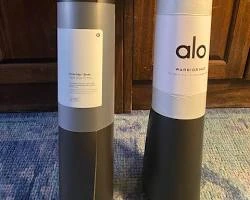
The Alo Yoga Warrior Mat is for yogis who need a durable, grippy mat. It’s also eco-friendly.
Pros:
- Large and cushioned
- Eco-conscious
- Sweat-resistant
- Sleek design
- Good traction
- Thick support
Cons:
- Pricey
- Hard to carry
Features: Non-slip surface. Moisture-wicking. Stylish and strong.
Price: Around $128 (USD) Buy: Available on Amazon
16. B Yoga B MAT Strong
The B Yoga B MAT Strong is a high-quality, eco-friendly yoga mat. It’s designed for intense practices with a unique material composition.
Pros:
- Natural rubber
- Thick and sturdy
- Non-toxic
- Good grip
- Long lifespan
- Good for joints
Cons:
- Heavier
- Basic look
Features: Open-cell top. Rubber blend. Antimicrobial surface.
Price: Around $98 (USD) Buy: Available on Amazon
How We Tested and Chose These Yoga Mats
Finding the best eco-friendly yoga mat is not always easy. Some mats are made from sustainable materials but lack grip. Others feel comfortable but may not last very long. To help you make the right choice, we carefully researched and compared each mat using the factors that matter most to real yoga practitioners.
- Material Sustainability: The first thing we looked at was the material. We focused on yoga mats made from natural rubber, cork, jute, organic cotton, and recycled materials. We also preferred mats that are free from PVC, phthalates, and other harmful chemicals. Products made with renewable or biodegradable materials earned higher scores because they are better for both your health and the environment.
- Grip and Stability: A good yoga mat should help you feel steady and confident in every pose. We evaluated how well each mat performed during standing poses, balance poses, and floor exercises. Mats with strong traction and a reliable non-slip surface ranked higher, especially for sweaty practices like Vinyasa and Hot Yoga.
- Cushioning and Comfort: Comfort is important, especially if you spend a lot of time on your knees, wrists, or hips. We compared the thickness and overall feel of each mat to see how much support it provided. The best mats offered a balance of softness and stability, helping practitioners stay comfortable without sinking too deeply into the surface.
- Durability and Long-Term Value: An eco-friendly yoga mat should be an investment that lasts. We looked at material quality, construction, and long-term user experiences to identify mats that can handle regular practice. Durable mats not only save money over time but also reduce waste by lasting for years instead of needing frequent replacement.
- Real Customer Reviews: We also spent time reading customer reviews from trusted online retailers and yoga communities. We looked for common feedback about grip, comfort, durability, ease of cleaning, and overall satisfaction. Products with consistently positive reviews received extra consideration because real-world experiences often reveal details that specifications alone cannot.
- Brand Reputation and Sustainability Efforts: A great yoga mat starts with a trustworthy brand. We considered each company’s reputation, product quality, and commitment to sustainability. Brands that actively use eco-friendly materials and responsible manufacturing practices stood out during our research.
After comparing all of these factors, we selected eco-friendly yoga mats that deliver the best combination of sustainability, comfort, grip, durability, and value. Whether you are just beginning your yoga journey or have been practicing for years, these mats can help support your practice while making a more environmentally friendly choice.
At Tune Healthy, our goal is simple: to help you find yoga products that feel good, perform well, and are kinder to the planet. That’s why every mat on this list was chosen with both yogis and sustainability in mind.
Benefits of Using Eco-Friendly Yoga Mats
Using eco-friendly yoga mats is good for you and the planet. It’s a smart choice for a greener and healthier yoga practice.
| Benefits | Eco-Friendly Yoga Mats | Traditional Yoga Mats |
|---|---|---|
| Environmental Impact | Biodegradable, sustainable materials | Often made from non-biodegradable plastics |
| Health Benefits | Reduced risk of allergic reactions | May contain harmful chemicals |
| Performance Advantages | Superior grip and cushioning | Varies, often less grip and cushioning |
Why I’m Passionate About Sustainable Yoga Practice
Embracing sustainable yoga has deepened my bond with nature. Yoga is more than just moving my body. It’s about living in harmony with the earth.
Choosing eco-friendly yoga mats helps us care for our planet. As a regular yogi, picking sustainable yoga mats is key. They’re made from natural stuff that can break down.
“The body is your temple. Keep it pure and clean for the soul to reside in.” — B.K.S. Iyengar, Light on Life
By picking planet-friendly yoga mats, we help our planet. At tunehealthy.com, we help you find great eco-friendly yoga gear. This supports your yoga journey.
My Experience Using Eco-Friendly Yoga Mats
After using PVC yoga mats for a few years, I decided it was time for a change. I wanted a mat that felt safer for my body, lasted longer, and was environmentally friendly. That’s when I switched to eco-friendly yoga mats made from natural rubber.
The first thing I noticed was the grip. It felt much more secure than many budget synthetic mats I had used before. During poses like Warrior II, Triangle Pose, and Downward-Facing Dog, my hands and feet stayed firmly in place. Even during sweaty yoga sessions, I felt stable and confident without worrying about slipping.
One mat that stood out to me was the Manduka eKO Lite. From my first practice, I was impressed by its strong grip and supportive feel. The cushioning was gentle on my knees during floor poses, while the surface stayed steady during balancing postures. Like many natural rubber mats, it had a slight rubber smell when new, but it faded after a few days.
Another thing I appreciate is durability. With regular cleaning and proper storage, eco-friendly yoga mats can stay in great condition for years. For me, switching to a natural rubber yoga mat made my practice more comfortable, more stable, and more enjoyable. It also gave me peace of mind knowing I was making a more sustainable choice for the planet.
How to Care for Your Eco-Friendly Yoga Mat

As a yoga lover, I know how key it is to keep my natural rubber yoga mat in top shape. It’s all about the care to keep it perfect for my practice. Here, I’ll share some top tips for taking care of your eco-friendly yoga mat.
- Cleaning Tips: It’s important to clean your eco-friendly yoga mat often. Use a natural cleaner or mix water and white vinegar to clean it. Stay away from harsh chemicals that can harm it. For hard stains, a soft-bristled brush works well. Regular cleaning stops sweat and bacteria from building up.
- Storage Recommendations: Keep your yoga mat in a dry, cool spot, away from sunlight. Roll it loosely to avoid creases and damage. Use a breathable bag to store it and keep it clean and dry. Don’t store it in humid places or fold it, as it can get damaged.
- Extending Your Mat’s Lifespan: To make your eco-friendly yoga mats last longer, don’t expose them to extreme temperatures. Clean it regularly and store it properly to make it last. Check out the table below for more care tips.
By following these easy care tips, you can keep your eco-friendly yoga mats clean, strong, and ready for your practice.
Eco-Friendly Yoga Mats vs. Regular Yoga Mats: What’s the Difference?
I’ve learned about the big differences between eco-friendly and regular yoga mats. These differences are not just about what they’re made of. They also affect our health, the planet, and how we enjoy yoga.
- Environmental Impact Comparison: Eco-friendly mats are made from things like natural rubber and cork. They’re better for the planet because they don’t waste as much as regular mats. Regular mats are often made from PVC, which harms the environment.
- Performance Differences: Eco-friendly mats can be just as good, or even better, than regular mats. For example, natural rubber mats give you a great grip. Cork mats are soft but also supportive. Regular mats might be slippery and not as comfy.
- Health Considerations: Choosing an eco-friendly mat is good for your health. They don’t have harmful chemicals, as some regular mats do. This means you’re less likely to get skin problems or other health issues from chemicals.
| Feature | Eco-Friendly Yoga Mats | Regular Yoga Mats |
|---|---|---|
| Material | Natural rubber, cork, recycled materials | PVC, synthetic materials |
| Environmental Impact | Lower carbon footprint, sustainable | Higher carbon footprint, non-renewable |
| Health Safety | Free from toxic chemicals | May contain PVC, phthalates |
Top Eco-Friendly Yoga Mat Brands to Watch in 2026
In 2026, the yoga world is moving towards green yoga mats. On tunehealthy.com, we’re excited to share the top brands leading this change.

Established Leaders: Brands like Manduka and Liforme have been big in green yoga mats for years. They offer quality, green products that yogis enjoy.
Innovative Newcomers: New brands are coming up with new green ideas. Yoloha is one brand making a splash with its green yoga mats.
Sustainable Pioneers: Some brands are going even further in being green. They use circular economy ideas or regenerative materials. These brands are setting new green standards.
Where to Buy the Best Eco-Friendly Yoga Mats
Now that we’ve talked about the best eco-friendly yoga mats, let’s find out where to buy them. You can find these mats at many places, both online and in stores.
- Online Retailers: Online stores like Amazon and tunehealthy.com offer a wide range of eco-friendly yoga mats. You can read what others say and compare prices.
- Speciality Yoga Shops: Speciality yoga shops have a special selection of eco-friendly mats. They also have staff who can give you good advice.
- Direct from Manufacturers: Buying from makers like Manduka and Jade Yoga means you get the real deal. They often give better service too.
Key Takeaways
Choosing an eco-friendly yoga mat is more than a trend. It’s a big step towards a healthier planet. By doing this, you make your yoga practice better and help the Earth.
At tunehealthy.com, we think every small step is important. Picking the right yoga mat is a big step towards living green. The eco-friendly yoga mats we talked about have many benefits. They make your practice better and are good for the planet.
We want you to keep going on your yoga path. Join us in making yoga more sustainable. Look at the options and think about how your choices help the Earth. By choosing eco-friendly, you find a great mat and join a community that cares about the planet.